


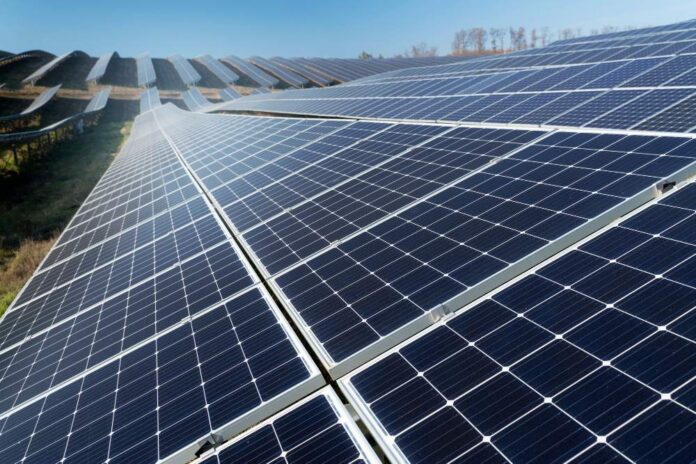

India’s clean energy is all about building an ecosystem that is interconnected with various elements and goes beyond just installing solar panels at scale. Renewable energy generation, storage, digital intelligence, manufacturing, financing, and grid infrastructure work together within the said ecosystem in a coordinated manner. What defines the country’s energy future is the shift from isolated solar projects to integrated solar technology ecosystems.
Citing the remarkable scale of India’s progress, solar capacity surged nearly 129 GW in 2025, up from just 3 GW in 2014. While non-fossil fuel sources now account for over 50% of the country’s 500 GW installed power capacity, displaying how quickly renewable energy has shifted to the mainstream.
All in all, integrated solar ecosystems are emerging as the backbone of this transition.
Rooftop Solar and Consumer Participation
The rising participation of households and small consumers in India’s solar transition is one of the strongest indicators of the growth of the ecosystem altogether. Under the PM Surya Ghar initiative, nearly 24 lakh households had adopted rooftop solar systems by December 2025. It created almost 7 GW of clean energy capacity, while the government released over ₹13,464 crore in subsidies to accelerate adoption.
Another important shift is the transformation of customers into active participants in the energy ecosystems. With advancements, rooftop solar installations are being integrated with features like smart meters, energy management systems, and battery storage solutions. With such systems, households can optimise energy consumption. It also reduces dependence on traditional grids.
Agriculture and Rural Solar Integration
The solar ecosystem is consistently reshaping rural energy access and agricultural productivity, especially with the help of the PM-KUSUM scheme. The same has facilitated nearly 9.2 lakh standalone solar pumps under Component B, significantly reducing dependence on diesel-powered irrigation systems.
There are numerous benefits of solar energy in agriculture, including the farmers gaining access to reliable and low-cost power. Additionally, irrigation expenses decline and reduced emissions are some of the other major advantages. Decentralised solar infrastructure is also improving rural electrification in many regions, significantly strengthening local energy resilience.
Solar Parks, Manufacturing, and Industrial Clusters
As of October 2025, 55 solar parks with a combined sanctioned capacity of 40 GW had been approved across 13 states. This shows how India’s utility-scale solar infrastructure is consistently and quickly expanding. Increasingly evolving into an integrated energy hub, these parks combine generation, transmission, connectivity, storage systems, and industrial manufacturing.
India is also strengthening its domestic manufacturing capabilities across the solar value chain while this transformation happens. Multiple schemes for solar modules, battery manufacturing, and advanced chemistry cells are adding to the local production, overall reducing import dependence.
The rise of an industrial cluster around clean energy technologies is particularly needed to create interconnected industrial ecosystems. These ecosystems are capable of driving innovation, employment, and export competitiveness with the help of solar module manufacturing, battery production, green hydrogen projects, and energy storage facilities.
This transition ensures that India is not seen as a consumer of renewable technologies but also as a potential global manufacturing and innovation hub.
The Future of Solar Ecosystems With Digital Advancement
The next phase of India’s solar growth story is highly influenced by technological integration. Smart metering deployments under the Revamped Distribution Sector Scheme are creating the digital backbone for more intelligent energy systems.
Advanced technologies like artificial intelligence and advanced analytics can help with features, including demand forecasting, predictive maintenance, grid balancing, and more. The technologies can help utilities manage the complexities related to large-scale renewable integrations while improving efficiency.
Conclusion
Overall, by developing integrated solar technology ecosystems, India is connecting policy, infrastructure, finance, manufacturing, digital innovation, and consumer participation within one coordinated energy framework.
The country is creating a sustainable model that balances reliability and economic growth through factors including rooftop solar adoption, agricultural electrification, storage integration, smart grid modernisation, and more.
This rise of integrated solar tech ecosystems showcases that the next phase that will shape the future of energy in India will be brought forward by the combination of innovation, collaboration and infrastructure.