


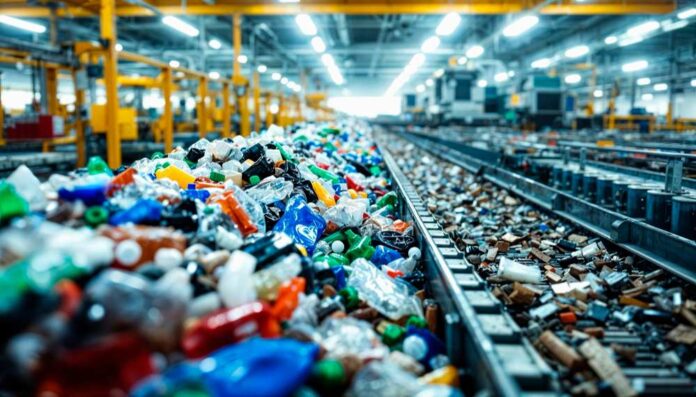

The business of recycling stands at the intersection of environmental responsibility and economic opportunity. As the world increasingly turns its attention to sustainable practices, recycling has emerged as a pivotal industry, capable of generating profit while mitigating waste. This article delves into how recycling contributes to energy savings, resource conservation, and consumer product perceptions.
Energy Savings Through Recycling
One of the primary benefits of recycling is its substantial contribution to energy conservation. According to Do Something, reprocessing a single aluminum can saves enough energy to power a music player for several hours. This simple act of recycling demonstrates the profound impact that collective efforts can have on reducing energy consumption.
Recycling aluminum stands out due to the ease and energy efficiency of its process compared to primary production. Creating aluminum from raw materials involves energy-intensive procedures, which are significantly reduced when recycling. Thus, promoting aluminum can recycling is both an economically viable and environmentally friendly business strategy.
The widespread recycling of aluminum not only lessens the environmental footprint but also sets a precedent for other materials. By highlighting the energy savings potential, businesses can encourage broader industry practices towards increased recycling efforts. This approach not only maximizes profits but also aligns with sustainability goals, gaining consumer trust and brand loyalty.
Recycling Rates and Material Reusability
Steel recycling in North America exemplifies remarkable industry success. According to STI SPFA, a staggering 92% of steel is recycled each year, surpassing all other materials, including paper, aluminum, plastic, and glass combined. This high recycling rate showcases the extensive use and recovery potential inherent in steel products.
A strategic focus on steel recycling has proven beneficial for businesses due to its reliability and resource efficiency. The infrastructure for recycling steel is well-established, allowing companies to cut costs in raw material acquisition and waste management. This economic advantage supports businesses in competing within the growing green market sector.
Steel’s recyclability addresses environmental concerns while strengthening its role in the circular economy. By effectively utilizing recycled steel, the business sector exemplifies adaptability in resource management that can be mirrored in other industries. Such efforts promote a holistic approach to sustainability, synonymous with ethical corporate governance.
Consumer Perceptions and Sustainable Packaging
The business case for recycling is further strengthened by its impact on consumer perceptions. According to Businessdasher.com, 63-67% of consumers believe that cardboard or paper packaging gives products a more upscale appearance. This consumer belief underscores the intersection between sustainability and marketing.
Using recyclable materials in packaging can significantly enhance brand image and consumer loyalty. Companies that incorporate sustainable packaging solutions are seen as more responsible and future-oriented, capturing the attention of environmentally conscious clientele. This positive correlation between product visibility and packaging heightens the business’s competitive edge in the market.
In a world where brand image and consumer perception drive sales, aligning with ecological values can lead to increased profitability. Businesses can capitalize on this by innovating their packaging designs to not only attract customers but also to reduce their environmental impact. By doing so, they establish a symbiotic relationship between environmental responsibility and financial gain.
Recycling offers significant benefits that span beyond environmental advantages to include economic and marketing opportunities for businesses. Energy savings and high recycling rates of materials like aluminum and steel partly drive the industry’s growth.
Simultaneously, consumer preferences for sustainable packaging further promote the integration of eco-friendly practices in business models.
The interplay of these factors highlights the necessity of embracing recycling within industry frameworks as both a business imperative and a step towards sustainable development. As companies continue to innovate, the recycling industry will undoubtedly play a crucial role in shaping a more resilient and sustainable global economy.