


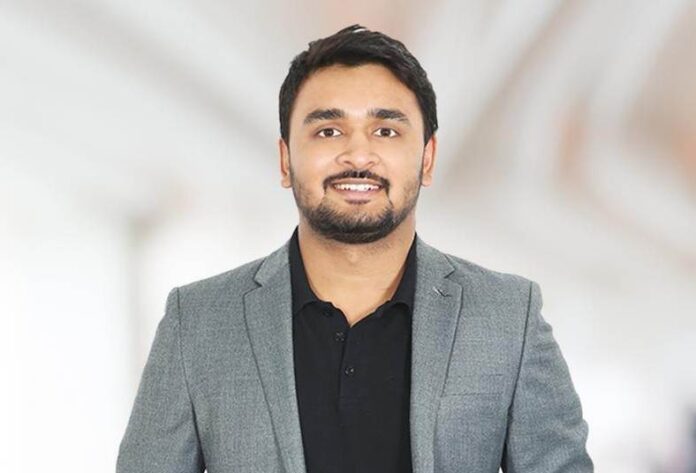

Speaking to TechGraph, Rohit Bajaj, Co-Founder of Balwaan Krishi, discusses the company’s commitment to transforming India’s diverse farming landscape through affordable mechanization solutions and strategic partnerships with local bodies, and how Balwaan Krishi is empowering farmers to enhance productivity and efficiency.
Read the complete interview:
TechGraph: Balwaan operates in India’s competitive and fragmented agricultural market. What strategies do you have in place to strengthen your position and scale your operations while keeping your products affordable for small and marginal farmers?
Rohit Bajaj: In Balwaan, we operate in a vibrant and challenging agricultural market, where small and marginal farmers form the backbone of our customer base. To build our position, we focus on three key pillars: innovation, affordability, and accessibility. Our R&D efforts are tailored to developing machines that address the unique challenges of Indian farmers, enhancing productivity while keeping costs low.
Affordability is at the core of what we do, so we streamline production without compromising quality, passing the benefits to farmers. To expand reach, we’re strengthening our distribution network and ensuring top-notch after-sales service, especially in rural areas. For us, it’s about enabling farmers to access dependable machinery that delivers value, season after season.
TechGraph: Given India’s rural economy is still recovering from post-pandemic challenges, what shifts in rural consumption patterns have you observed, and how has Balwaan adjusted its business strategy in response?
Rohit Bajaj: The post-pandemic period has seen a shift in rural consumption, with farmers prioritizing value over volume. They are focused on essential products that deliver efficiency, durability, and long-term benefits. We’ve aligned with this shift by simplifying our product portfolio to emphasize core machinery that meets these criteria.
To ease financial constraints, we offer flexible payment plans and tailored financing options, helping farmers invest in tools without overwhelming strain. Through workshops and direct outreach, we’ve strengthened farmer education, helping them make informed purchasing decisions. This hands-on approach ensures farmers see the benefits of mechanization and gain confidence in their investments.
TechGraph: What is your strategy for balancing innovation in high-tech machinery with affordability and accessibility for small and medium-sized farmers? How do you navigate the pricing challenges inherent to the Indian agri-sector?
Rohit Bajaj: Our philosophy is simple- cutting-edge technology should empower, not exclude. Balwaan bridges the gap between innovation and affordability by focusing on scalable and localized solutions. By sourcing materials locally, streamlining manufacturing, and leveraging economies of scale, we keep production costs down.
Farmers can choose from a range of options, from basic models to advanced features, ensuring accessibility at all budget levels. We also invest in intuitive designs so that even first-time users find our machines easy to operate. This balance between innovation and simplicity allows us to offer tools that enhance farming without financial strain.
TechGraph: Could you share some insights into your expansion plans within India? Are there any particular regions where you see untapped potential or where Balwaan will be doubling down efforts?
Rohit Bajaj: India’s diversity is an opportunity in itself. We’re prioritizing regions like the North-East, Central India, and parts of Eastern India, as well as a part of south India, where traditional practices dominate, and mechanization remains limited.
These areas have immense potential for transformation, and we’re focusing on introducing machines designed specifically for their unique farming landscapes.
Our efforts also include building a robust service network in these regions to provide reliable support, which is often a key concern for farmers. Collaborating with local agricultural bodies, cooperatives, and influencers in these areas will be instrumental in making our products accessible and impactful.
TechGraph: With climate change impacting crop yields and agricultural practices, how are your machines assisting farmers in adapting to these shifts? Can you share any initiatives Balwaan is undertaking to promote climate-resilient farming techniques?
Rohit Bajaj: Climate change has reshaped the agricultural landscape, and farmers need tools to help them adapt. Balwaan designs machines with sustainability in mind, ensuring they are water-efficient, energy-efficient, and durable under tough conditions.
For instance, we’ve developed tools that minimize soil erosion while retaining moisture, critical for areas facing erratic rainfall. Beyond machines, we work with NGOs and government bodies to educate farmers on climate-resilient techniques. Together, we’re building an ecosystem where farmers are equipped to overcome environmental challenges while embracing sustainable practices.
TechGraph: Access to capital and financial tools remains a challenge for many farmers in India. Does Balwaan collaborate with financial institutions or offer unique financing solutions to help farmers invest in your machinery without incurring significant financial strain?
Rohit Bajaj: We deeply understand the financial constraints of small farmers and have tailored solutions to address these challenges. By collaborating with banks and microfinance institutions, we offer easy financing options with low interest rates.
Additionally, we’ve introduced pay-per-use and leasing models, enabling farmers to access machinery during peak seasons without upfront investment. These measures allow farmers to adopt mechanization while managing their cash flow effectively, ensuring they can focus on growing their income.
TechGraph: What do you envision for the future of India’s agricultural sector in terms of mechanization and technology adoption? How is Balwaan positioning itself to lead in these evolving trends?
Rohit Bajaj: India’s agricultural sector is on the brink of a transformation, where mechanization and technology adoption will drive growth. Balwaan envisions a future where every farmer, irrespective of size or scale, has access to tools that make farming more efficient and sustainable.
We’re committed to leading this shift by creating affordable, adaptable, and scalable machinery. Our focus is on empowering farmers to integrate modern tools into their age-old wisdom, creating a blend that respects tradition while embracing the future.
TechGraph: Are there plans for international expansion, particularly into other developing countries where agriculture remains a key economic driver? How do you foresee global trends influencing Balwaan’s strategy and operations over the next decade?
Rohit Bajaj: Absolutely, Balwaan is exploring opportunities in regions like Africa and Southeast Asia, where the challenges of small-scale farming resonate with our expertise. These markets present an opportunity to introduce our affordable and efficient solutions.
At the same time, global trends in sustainable and digital agriculture are shaping our strategy. Over the next decade, we aim to become a global player, sharing India’s lessons in mechanization while adapting to the needs of other emerging economies.


