


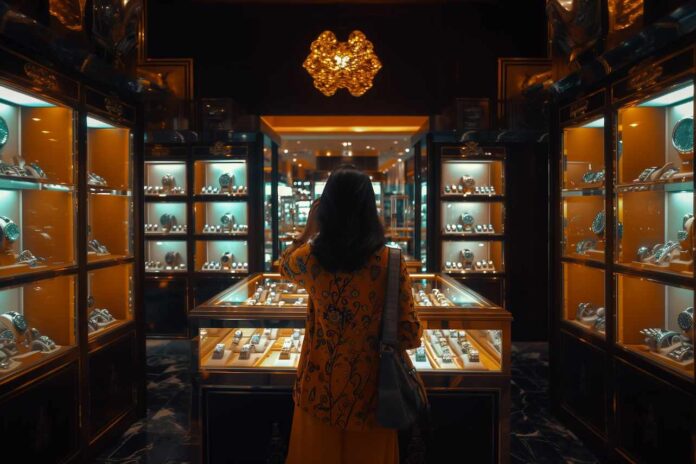

A jewellery purchase in India used to come with a reason. A wedding was fixed, a festival was approaching, or a family wanted to put money into gold. The visit to the jeweller was rarely casual. It was discussed at home, often with several people involved, and the final choice had to satisfy more than one generation.
That habit has not vanished, but it now shares space with something more personal.
A young professional may buy a ring after changing jobs. Someone may order a pendant carrying a child’s initials. A couple may choose a simple band they can wear every day instead of a heavier piece meant for occasional use. On their own, these shifts seem small. Together, they are changing the mood of the market.
The first big change is in the occasion itself. Jewellery is no longer bought only when the calendar demands it. A birthday, a promotion, a first salary or even a difficult year finally coming to an end can be reason enough. This has created more buying moments, especially among younger customers comfortable spending on themselves.
The second change is in what people want to wear. On big occasions like marriage or anniversary — heavy wedding sets still matter, and they probably always will. But many buyers now ask a simpler question before anything else: will I actually use this?
That question has pushed lightweight necklace sets, chains, small earrings, stackable rings, and easy-to-wear bracelets into the picture. Buyers want pieces that work with a kurta on one day and office clothes on the next. A design may be beautiful, but if it feels too formal or difficult to carry, it may lose out.
There is more experimentation too. Some buyers are looking beyond the familiar choice of gold and natural diamonds, trying silver, coloured stones, lab-grown diamonds or mixed materials. Price matters, but so does the freedom to own different looks and wear jewellery more often.
The phone has also entered the jewellery store, even before the customer does.
People arrive with saved posts, screenshots and links. Some have already compared prices, while others know the shape of stone they want, the kind of setting they prefer and the amount they are willing to spend. The salesperson is no longer introducing the customer to the market from scratch. More often, the job is to help narrow down a choice that has already been researched in the era of options.
This has made transparency much more important. Customers ask about certification, purity, making charges, return policies and resale value. A familiar family jeweller still carries enormous trust, but that trust is now tested against information available online.
Personalisation has grown for the same reason. A buyer who has seen hundreds of similar designs does not always want another standard piece. A small engraving, a birthstone or a custom detail can make the purchase feel less like stock and more like memory.
There is also a quiet change in the way value is understood. Weight and resale still matter, especially in gold. But they are no longer the whole story. Comfort, frequency of use, design and emotional meaning now sit beside them.
For brands, this is both an opportunity and a warning. The customer is still buying jewellery, but not always for the reasons the industry grew up serving. Tradition remains powerful, yet it is being edited to fit modern lives.
India has not moved beyond gold or diamonds. It has moved beyond the idea that jewellery must wait for a wedding, a festival or someone else’s approval. That may be the most important change of all.


