




The healthcare and healthtech sector welcomed the Union Budget 2026 for its focus on long-term structural reforms, particularly the push to expand domestic manufacturing of biologics and biosimilars through the Biopharma SHAKTI initiative. Industry leaders said the ₹10,000 crore commitment over the next five years, along with plans to train 150,000 caregivers through technology-enabled skill programmes, is expected to strengthen India’s pharmaceutical ecosystem, reduce dependence on imports, support clinical research growth, and create employment opportunities across the sector. The development of regional medical hubs and expanded healthcare institutions was also seen as a positive step toward improving access in smaller cities.
Industry experts, however, said the pace of healthcare funding growth remains a concern as the overall allocation increase is modest compared to the country’s rising healthcare needs and continues to keep government spending below 2 percent of GDP. Experts pointed out that limited growth in funding for key public health programmes and preventive care, combined with persistent infrastructure gaps in public hospitals, particularly in Tier 2 and Tier 3 cities, could continue to affect access to quality healthcare, early diagnosis, and disease prevention in rural and underserved regions.
Read detailed reactions from medical, healthcare, and healthtech industry leaders below:
Dr. Ankita Mittal, Founder & Director, Adrita Menopause Wellness, Gurugram
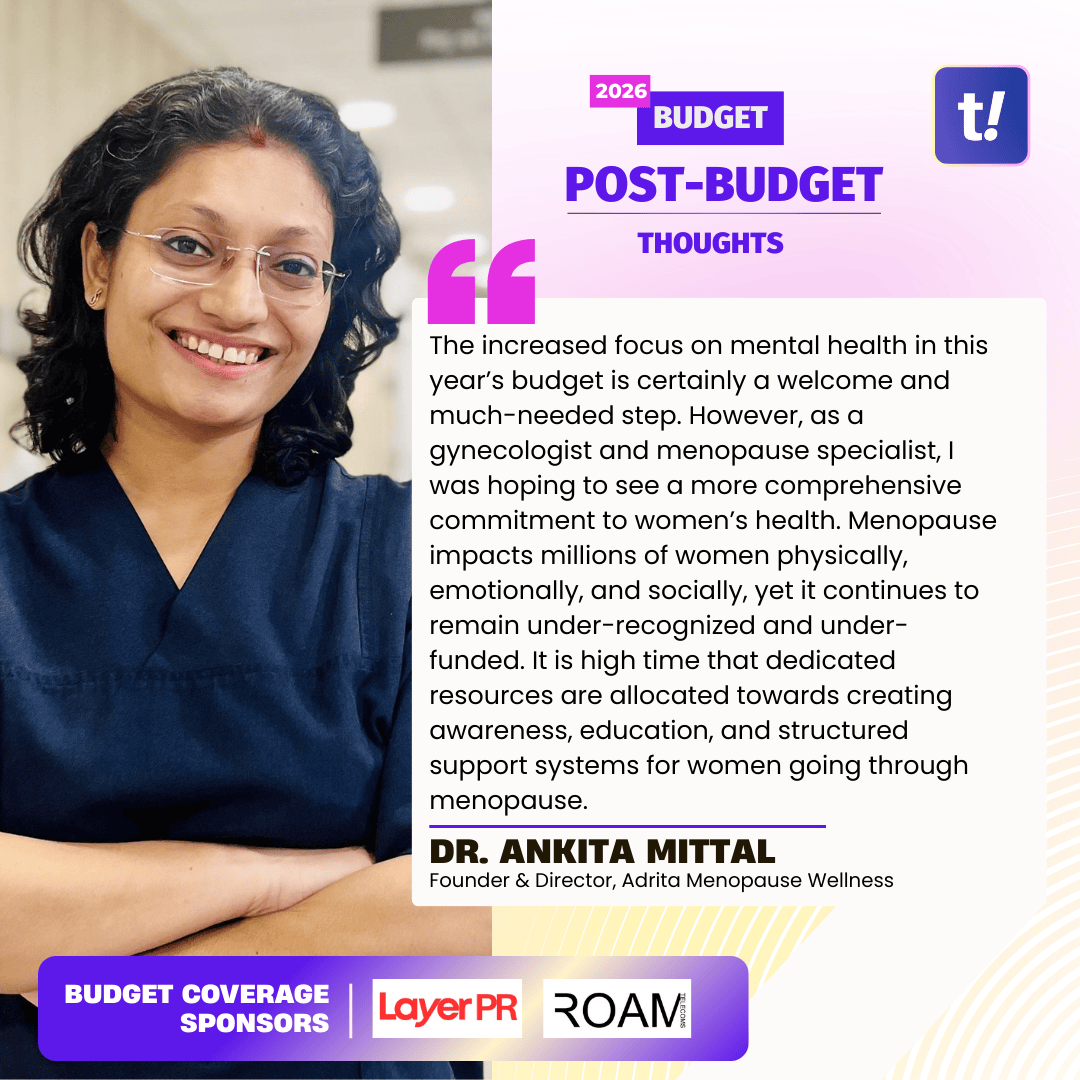
The increased focus on mental health in this year’s budget is certainly a welcome and much-needed step. However, as a gynecologist and menopause specialist, I was hoping to see a more comprehensive commitment to women’s health. Menopause impacts millions of women physically, emotionally, and socially, yet it continues to remain under-recognized and under-funded.
It is high time that dedicated resources are allocated towards creating awareness, education, and structured support systems for women going through menopause. This support must reach women across both urban and rural communities, ensuring equitable access to care. Investing in menopause health is not just about improving quality of life—it is about acknowledging women’s health as a public health priority.
Dr. Debojyoti Dhar, Cofounder and Director, Leucine Rich Bio (BugSpeaks)
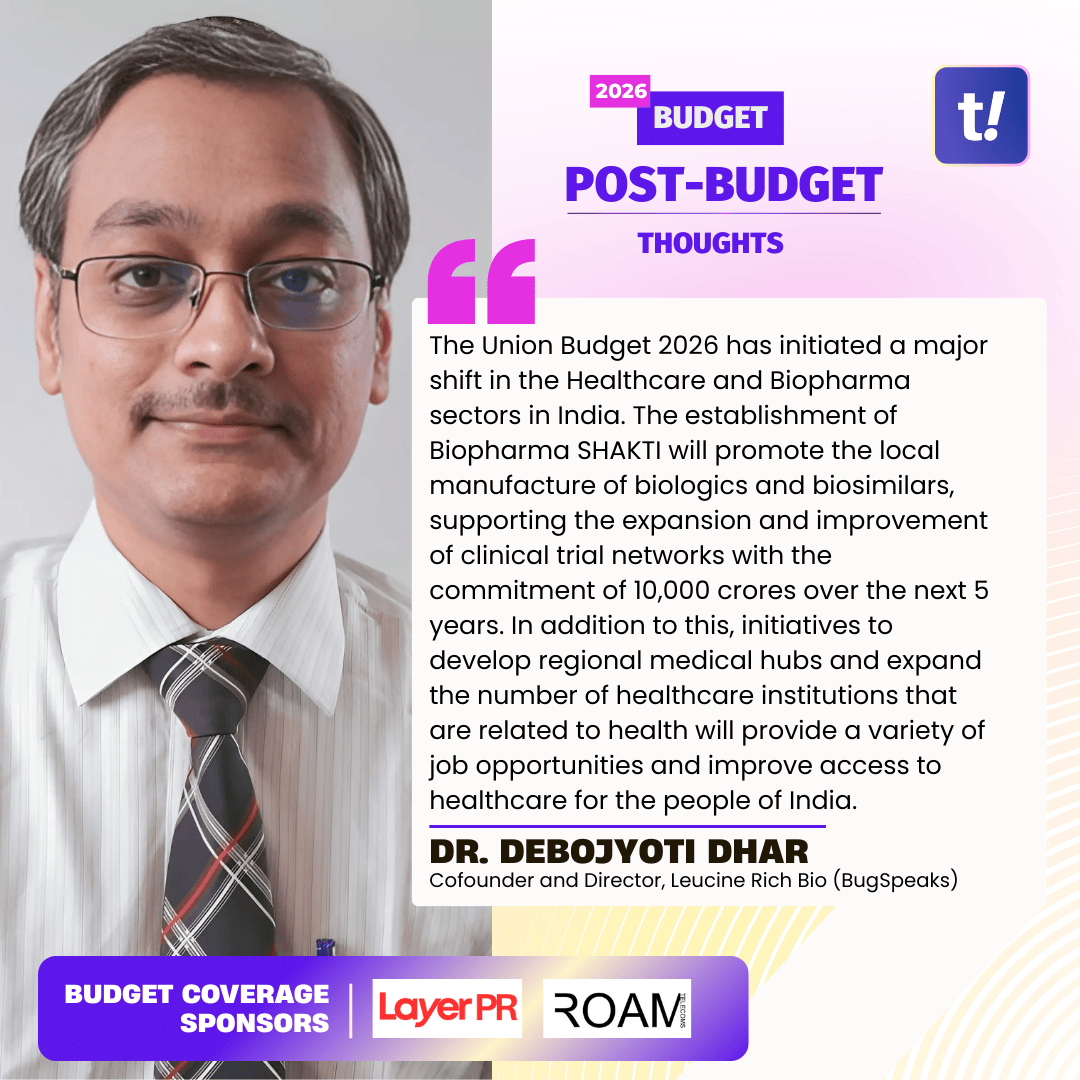
The Union Budget 2026 has initiated a major shift in the Healthcare and Biopharma sectors in India. The establishment of Biopharma SHAKTI will promote the local manufacture of biologics and biosimilars, supporting the expansion and improvement of clinical trial networks with the commitment of 10,000 crores over the next 5 years. In addition to this, initiatives to develop regional medical hubs and expand the number of healthcare institutions that are related to health will provide a variety of job opportunities and improve access to healthcare for the people of India.
A well-structured system of care will be initiated to cover geriatric and related sectors, with the training of 150,000 caregivers through multi-functional, National Skills Qualification Framework (NSQF) aligned programmes that will develop both the core skills of caring for others and the associated skills of creating a healthy, safe, and secure environment through the use of wellness and assistive technology.
Kashika Malhotra, Founder & CEO, Yoginii
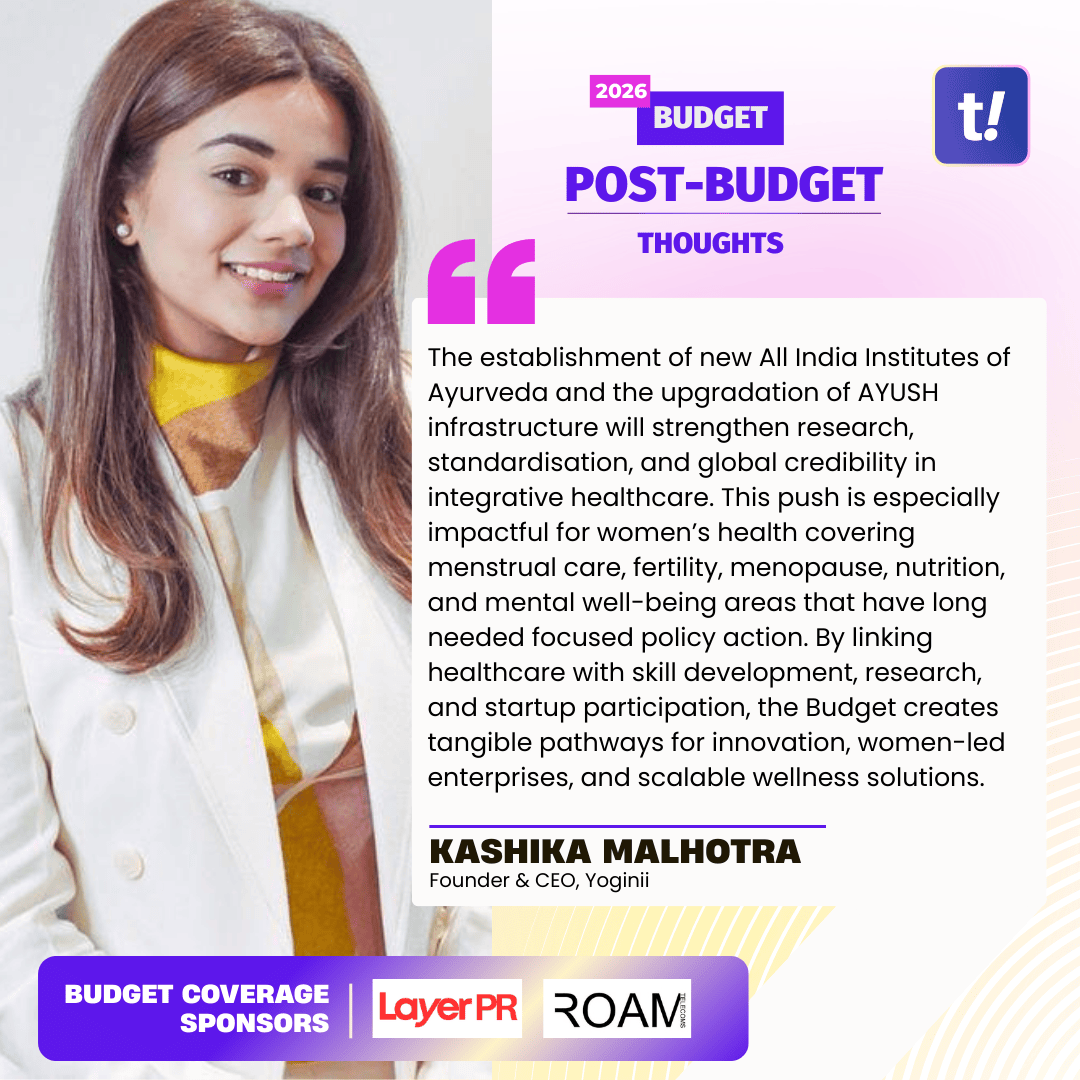
Union Budget 2026 signals a decisive move towards preventive healthcare by bringing traditional systems of medicine firmly into the mainstream. The establishment of new All India Institutes of Ayurveda and the upgradation of AYUSH infrastructure will strengthen research, standardisation, and global credibility in integrative healthcare. This push is especially impactful for women’s health, covering menstrual care, fertility, menopause, nutrition, and mental well-being areas that have long needed focused policy action.
By linking healthcare with skill development, research, and startup participation, the Budget creates tangible pathways for innovation, women-led enterprises, and scalable wellness solutions. The result is a stronger preventive health ecosystem that can improve health outcomes, build consumer trust, and position India as a global leader in holistic and evidence-based wellness.
Mayank Kumar, CEO & Co-Founder, BorderPlus
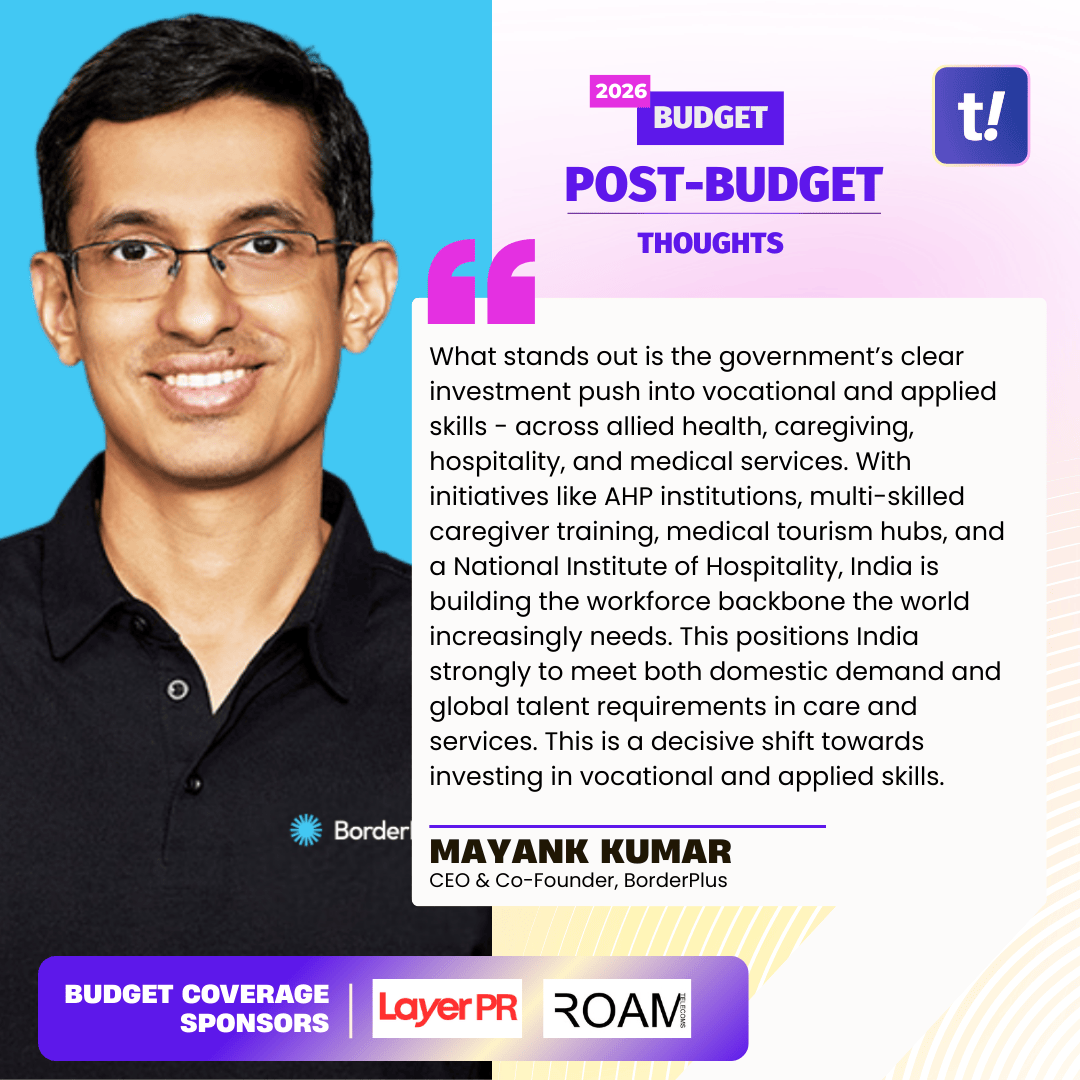
This is about building India’s care capacity for the world. With ageing populations globally and rising care needs at home, scaling allied health professionals and caregivers can make India a global talent hub for healthcare, while strengthening our own system in the process. Done right, this can position India as a trusted global hub for healthcare talent and care services, while also strengthening domestic healthcare delivery. The proposal to develop university townships near major industrial and logistics corridors is a powerful move to foster education-led innovation. By physically linking universities with industry clusters, this can accelerate applied research, skill relevance, and job creation – turning higher education into a true engine of economic and employment growth.
What stands out is the government’s clear investment push into vocational and applied skills – across allied health, caregiving, hospitality, and medical services. With initiatives like AHP institutions, multi-skilled caregiver training, medical tourism hubs, and a National Institute of Hospitality, India is building the workforce backbone the world increasingly needs. This positions India strongly to meet both domestic demand and global talent requirements in care and services. This is a decisive shift towards investing in vocational and applied skills. By scaling care, health, and hospitality talent, India is positioning itself as a reliable workforce partner for the world’s growing service and care needs.
Aman Puri, Founder, Steadfast Nutrition
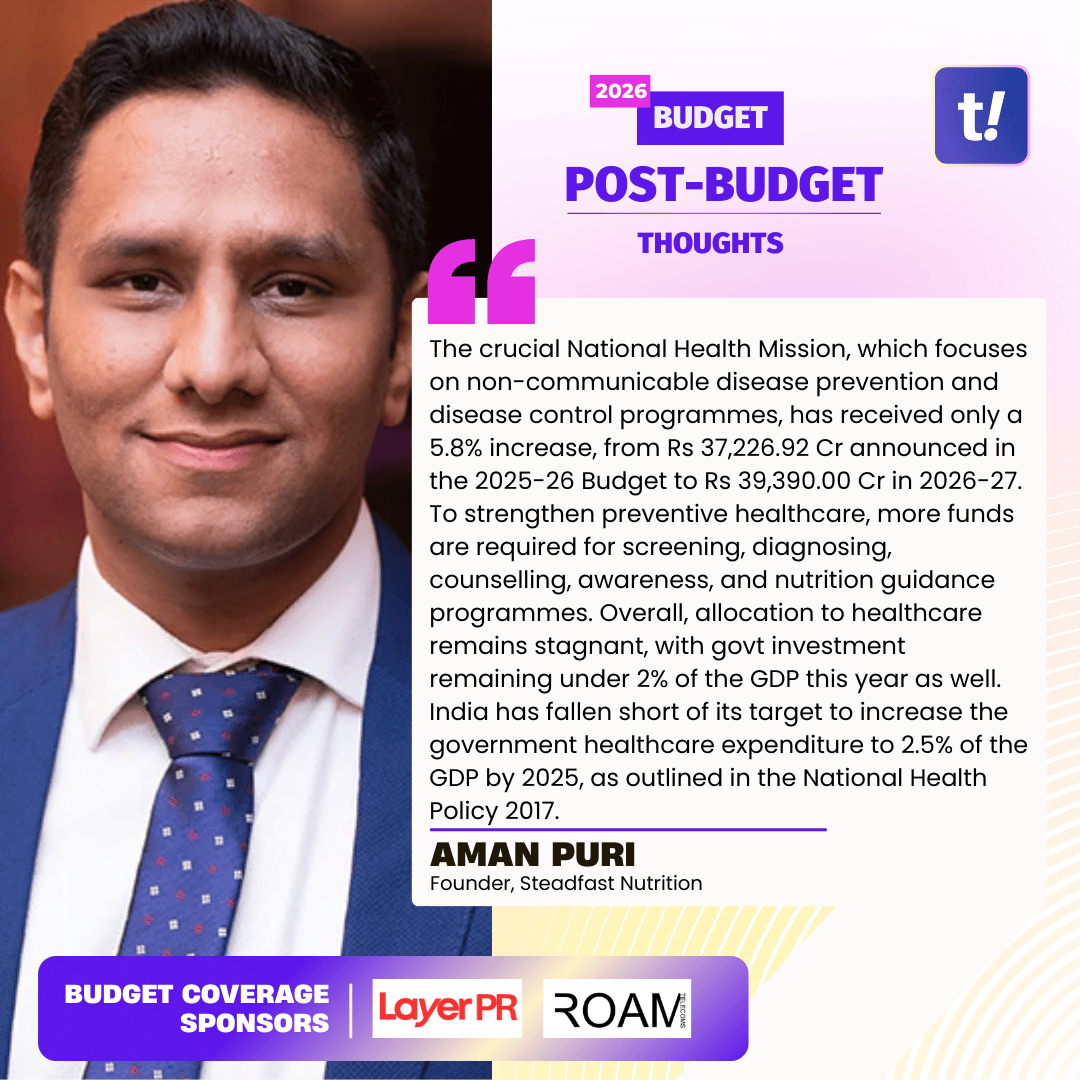
There are several positive steps to strengthen healthcare in the 2026-27 Budget, including the Biopharma Shakti strategy for building India as a global Biopharma manufacturing hub. This has been done to address the growing challenge of non-communicable diseases in the country, including diabetes, cancer, obesity, and autoimmune disorders, and is a welcome step, as biologic medicines can go a long way in improving longevity and the quality of life of patients at affordable costs.
At the same time, focusing only on disease treatment is not a solution. The emphasis on preventive healthcare — the key to tackling these non-communicable diseases — continues to remain low. The crucial National Health Mission, which focuses on non-communicable disease prevention and disease control programmes, has received only a 5.8% increase, from Rs 37,226.92 crore announced in the 2025-26 Budget to Rs 39,390.00 crore in 2026-27. To strengthen preventive healthcare, more funds are required for screening, diagnosing, counselling, awareness, and nutrition guidance programmes. Overall, allocation to healthcare remains stagnant, with government investment remaining under 2% of the GDP this year as well.
India has fallen short of its target to increase the government healthcare expenditure to 2.5% of the GDP by 2025, as outlined in the National Health Policy 2017. The overall allocation of Rs 106,530 crore to healthcare (Ministry of Health and Family Welfare) is a modest increase of roughly 10% compared to the revised estimates of last year, which may not sufficiently address the demands of India’s burgeoning population, the demand-supply gap in the country, and enormous healthcare challenges, including poor medical infrastructure, particularly in villages and Tier 2 and Tier 3 cities.
The announcement to create a network of 1,000 accredited clinical trial sites across the country is positive, as it will position India as a preferred global destination for clinical research. The focus on Ayush, the decision to expand the allied healthcare workforce, and train a large pool of multi-skilled healthcare professionals are good moves that will address gaps in service delivery.
Surjeet Thakur, Founder and CEO of TrioTree Technologies
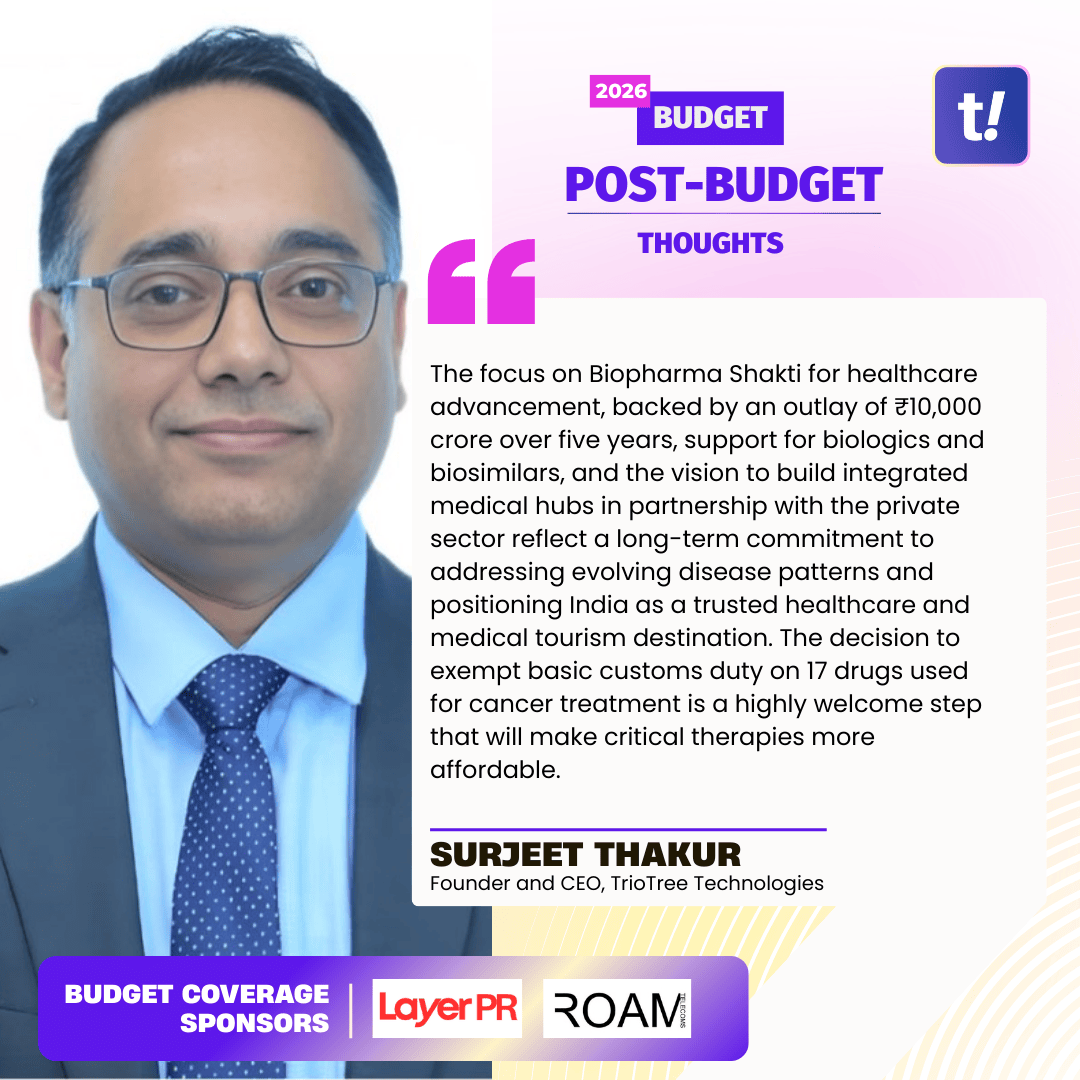
Union Budget 2026 sets a strong direction for India’s healthcare future by backing innovation, advanced manufacturing, and global competitiveness. The focus on Biopharma Shakti for healthcare advancement, backed by an outlay of ₹10,000 crore over five years, support for biologics and biosimilars, and the vision to build integrated medical hubs in partnership with the private sector reflect a long-term commitment to addressing evolving disease patterns and positioning India as a trusted healthcare and medical tourism destination. The decision to exempt basic customs duty on 17 drugs used for cancer treatment is a highly welcome step that will make critical therapies more affordable.
While the policy push towards innovation and advanced healthcare infrastructure is encouraging, a stronger increase in public healthcare spending could have further strengthened last-mile healthcare access and infrastructure expansion, particularly in rural and underserved regions. Nonetheless, these measures collectively reflect a positive move towards inclusive, innovation-driven healthcare aligned with the vision of Viksit Bharat.
Dr Sameer Patil, Consultant Orthopaedic Spine Surgeon, Vencer Hospital, Pune
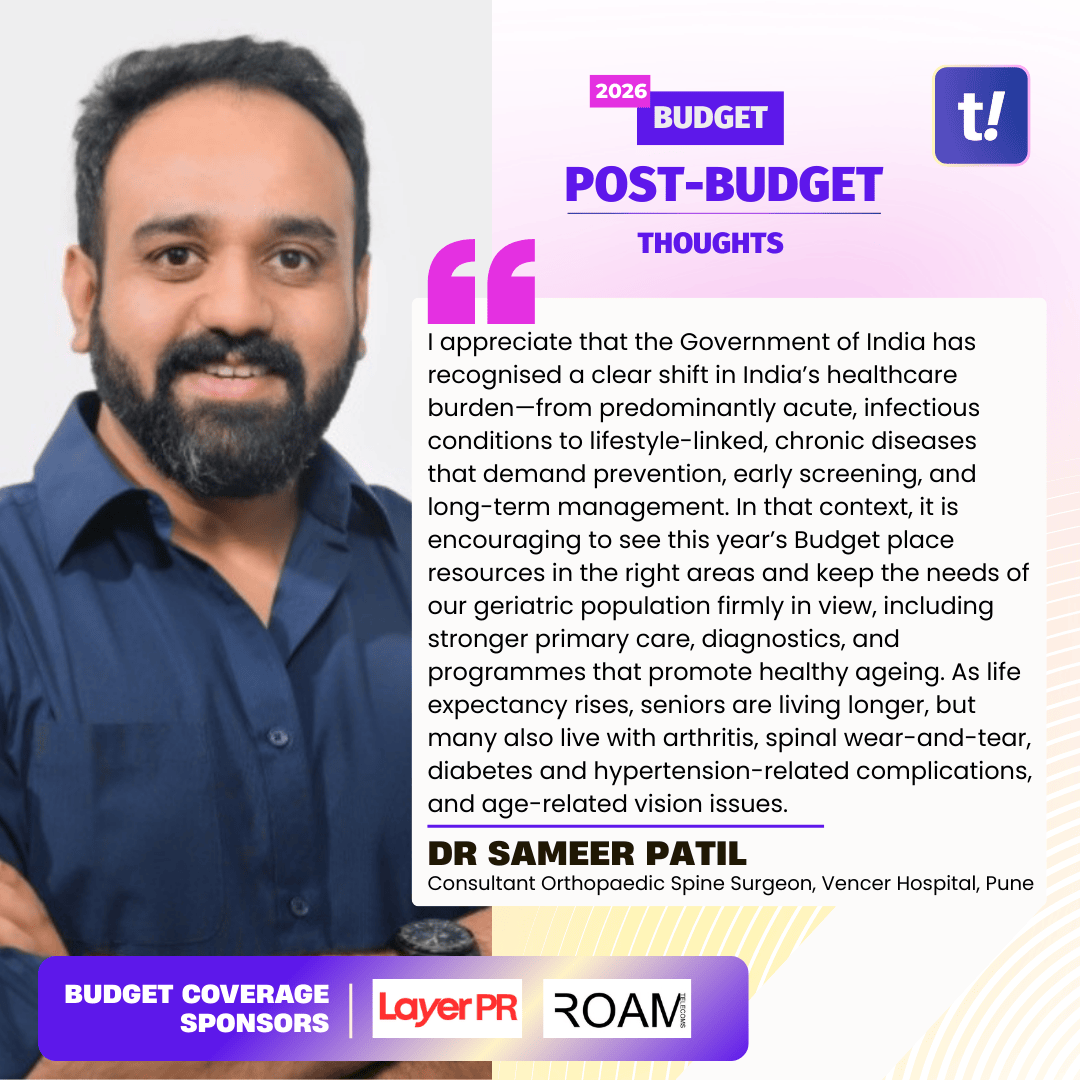
I appreciate that the Government of India has recognised a clear shift in India’s healthcare burden—from predominantly acute, infectious conditions to lifestyle-linked, chronic diseases that demand prevention, early screening, and long-term management. In that context, it is encouraging to see this year’s Budget place resources in the right areas and keep the needs of our geriatric population firmly in view, including stronger primary care, diagnostics, and programmes that promote healthy ageing.
As life expectancy rises, seniors are living longer, but many also live with arthritis, spinal wear-and-tear, diabetes, and hypertension-related complications, and age-related vision issues. The real goal is not only to add years to life, but to add life to years. That means protecting mobility, reducing pain, preventing falls, preserving independence, and ensuring that vision and daily function do not decline unnecessarily.
At Vencer Hospital, Pune, maintaining an active and quality lifestyle is the core focus of our team. Whether it is through our specialised orthopaedic and spine services that help patients regain stability and confidence in movement, or through our advanced ophthalmology care that supports clearer sight and safer day-to-day living, we look beyond a single procedure. We emphasise early intervention, rehabilitation, patient education, and follow-up so outcomes last outside the hospital.
A Budget that prioritises seniors is also a statement of respect. It acknowledges the contribution older citizens have made to the nation and reinforces that they deserve support when they are still fit and able—so they can continue to participate fully in life. Investing in healthy ageing is investing in stronger families and a stronger India—for today and for the generations ahead.
Dr Sharoon Shitole, Consultant Ophthalmologist & Managing Director, Vencer Hospital, Pune
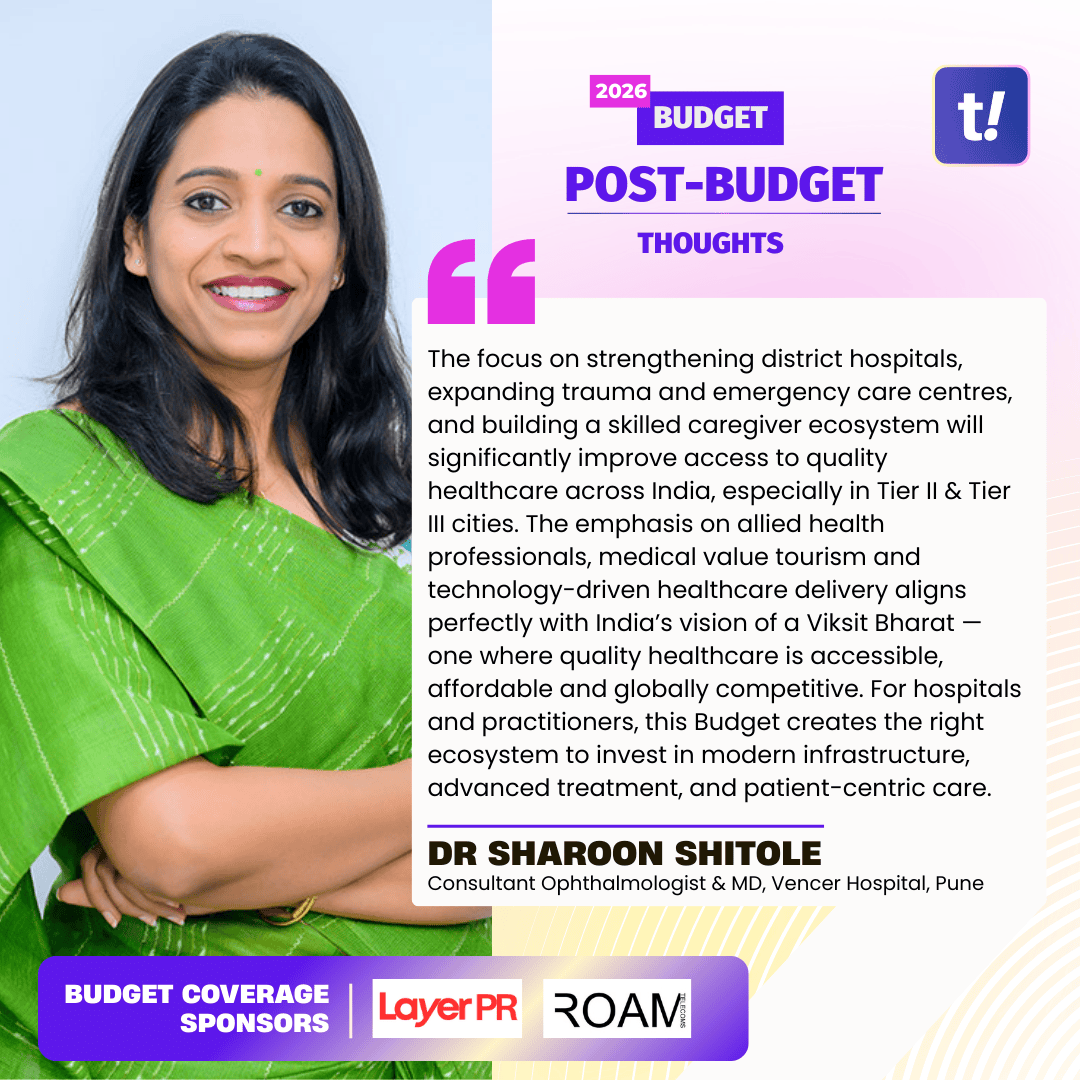
Union Budget 2026 sends a powerful message that healthcare is no longer just a social obligation but a national growth engine. The focus on strengthening district hospitals, expanding trauma and emergency care centres, and building a skilled caregiver ecosystem will significantly improve access to quality healthcare across India, especially in Tier II and Tier III cities.
The emphasis on allied health professionals, medical value tourism, and technology-driven healthcare delivery aligns perfectly with India’s vision of a Viksit Bharat — one where quality healthcare is accessible, affordable, and globally competitive. For hospitals and practitioners, this Budget creates the right ecosystem to invest in modern infrastructure, advanced treatment, and patient-centric care. As an ophthalmologist, I also see this as an opportunity to expand preventive eye care, early diagnosis, and advanced vision treatments, ensuring that millions of Indians can lead healthier, more productive lives.
Deepak Sharma, Co-founder & CEO of MedLern
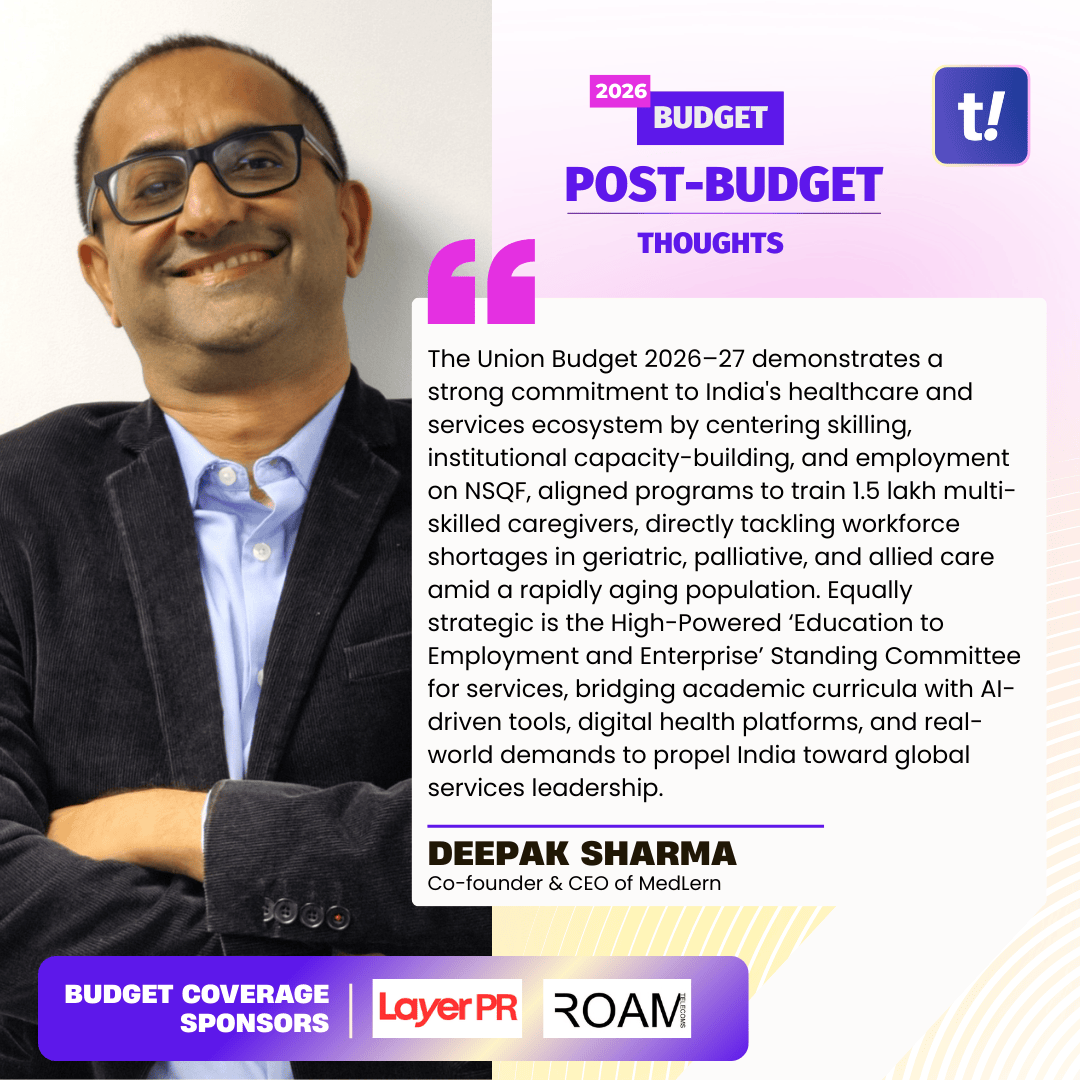
The Union Budget 2026–27 demonstrates a strong commitment to India’s healthcare and services ecosystem by centering skilling, institutional capacity-building, and employment on NSQF, aligned programs to train 1.5 lakh multi-skilled caregivers, directly tackling workforce shortages in geriatric, palliative, and allied care amid a rapidly aging population. Equally strategic is the High-Powered ‘Education to Employment and Enterprise’ Standing Committee for services, bridging academic curricula with AI-driven tools, digital health platforms, and real-world demands to propel India toward global services leadership.
This talent foundation extends to the proposed clinical research sites, which introduce specialized roles to grow India’s talent pool, accelerate new drug market entry, and cement the nation as a life sciences innovation hub, while new Ayush AIIMS centers elevate the credibility, reach, and global impact of India’s holistic treatment strengths.
Strengthened professional institutions, industry-led research/training centers, and ‘corporate mitras’ for compliance, targeted at Tier II/III cities, unlock inclusive talent pipelines, enabling seamless transitions from training to deployment in home care, diagnostics, and telemedicine. These pair powerfully with five regional medical hubs and integrated infrastructure expansions, ensuring skilled professionals span the care continuum from preventive wellness to advanced treatments. Overall, this fiscal prudence, fused with human capital investment, forges a resilient, efficient, and competitive healthcare services ecosystem primed for scalable excellence.
Madhusudhan HK, Country Manager of Aerolase
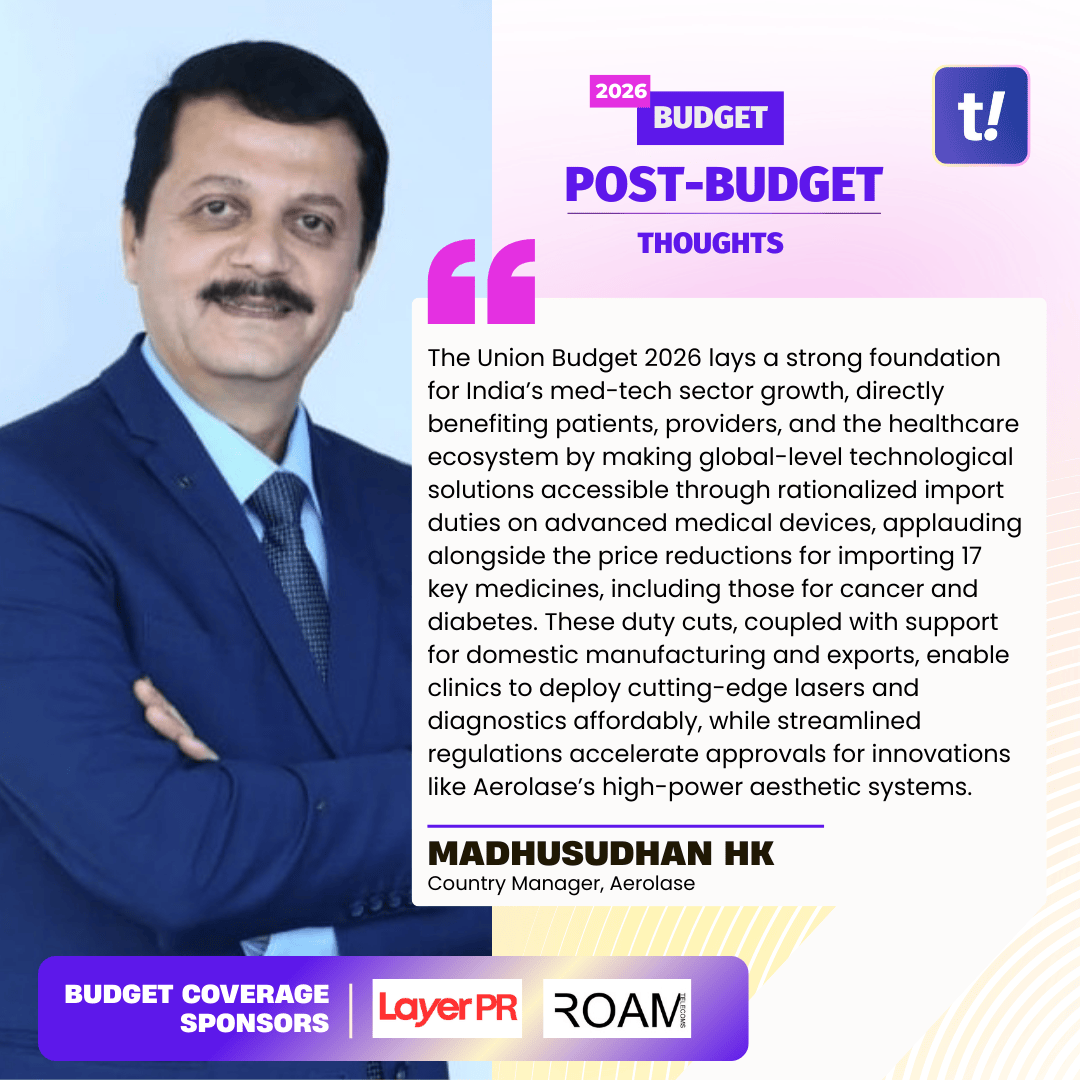
The Union Budget 2026 lays a strong foundation for India’s med-tech sector growth, directly benefiting patients, providers, and the healthcare ecosystem by making global-level technological solutions accessible through rationalized import duties on advanced medical devices, applauding alongside the price reductions for importing 17 key medicines, including those for cancer and diabetes. These duty cuts, coupled with support for domestic manufacturing and exports, enable clinics to deploy cutting-edge lasers and diagnostics affordably, while streamlined regulations accelerate approvals for innovations like Aerolase’s high-power aesthetic systems. Incentives for technology adoption and clinical training empower seamless integration, enhancing precision in dermatology, pain management, and chronic care, as infrastructure scales nationwide. Overall, these measures drive efficient, accessible care, fuel a robust med-tech industry, and position India as a global health innovation hub.