


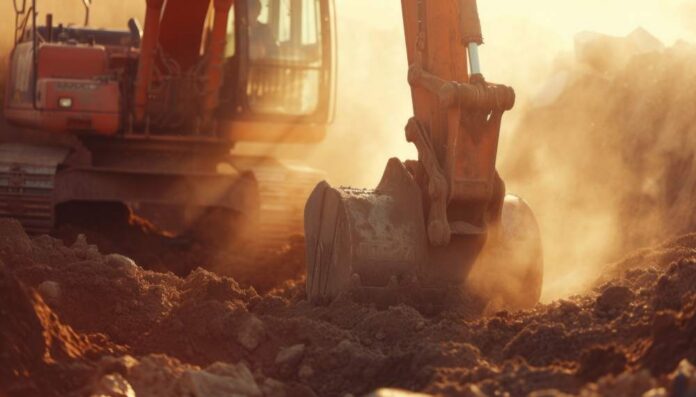

A construction project often begins long before the first walls or roof components arrive. Crews must prepare the property, establish suitable elevations, address drainage, and create access for equipment and deliveries. These early activities influence how smoothly later phases can proceed, making coordination between site preparation and building construction an important part of project planning.
The transition from earthwork to vertical construction involves different equipment, materials, and technical requirements. Understanding how those stages connect can help project teams reduce delays and avoid having one phase interfere with another.
Establishing the Conditions for Construction
Site preparation begins with understanding the property’s existing conditions. Survey information, soil characteristics, drainage patterns, and the proposed building layout all influence the work that needs to be completed. Contractors may need to remove unsuitable material, adjust grades, or create a stable base for future construction.
Grading equipment plays an important role in shaping the site. A grader blade can be used in earthmoving applications where crews need to move or level material. The appropriate blade configuration and equipment setup depend on the material being handled and the requirements of the work.
Accurate grading can help establish the elevations needed for roads, parking areas, foundations, and other site features. It also contributes to drainage planning, which is important for directing water away from buildings and paved surfaces.
Moving From Ground Preparation to Structural Work
Once the site is prepared and the required foundations are in place, construction can move toward the building’s structural framework. This stage introduces new coordination requirements. Steel members, decking, concrete, and other materials must arrive in an order that supports the planned installation sequence.
The structural design determines how the building will carry its loads. In steel-framed projects, composite metal decking may be incorporated into floor assemblies. Its use must be coordinated with the supporting framing and the concrete placement process.
These materials cannot be treated as interchangeable items that can simply be installed whenever they arrive. Their specifications and installation sequence are tied to the building’s engineering documents.
Managing Deliveries and Equipment Access
Construction sites can become crowded as different trades begin working in overlapping areas. Steel deliveries, concrete trucks, lifting equipment, and material storage all require space. If access routes and staging areas are not planned carefully, one activity can delay another.
Site logistics should account for the size of incoming materials, the equipment needed to unload them, and the locations where they will be installed. Temporary access roads may also need to support heavy vehicles without becoming damaged or unsafe.
The site preparation plan should therefore remain connected to the overall construction schedule. A finished grade that looks complete may still need protection from heavy traffic, weather, or subsequent excavation work.
Preventing Problems Between Construction Phases
One common source of delay is the assumption that a completed phase will remain unchanged. In practice, later activities can affect earlier work. Heavy equipment may disturb prepared surfaces, temporary drainage arrangements may need adjustment, and material storage can interfere with planned access.
Regular coordination meetings help contractors identify these issues before they become larger problems. Site supervisors can review upcoming deliveries, confirm which areas need to remain accessible, and communicate changes to the relevant trades.
Documentation is also useful. Updated drawings, field measurements, and inspection records help ensure that work completed during one phase matches the requirements of the next.
Keeping the Entire Project Connected
Successful construction depends on more than completing individual tasks. Site preparation, structural installation, material delivery, and finishing work must function as parts of one coordinated process.
When project teams consider the transition between earthwork and building construction early, they can make better decisions about equipment access, material staging, and installation timing. This broader view helps reduce avoidable interruptions and supports a more orderly progression from an undeveloped site to a completed facility.


