


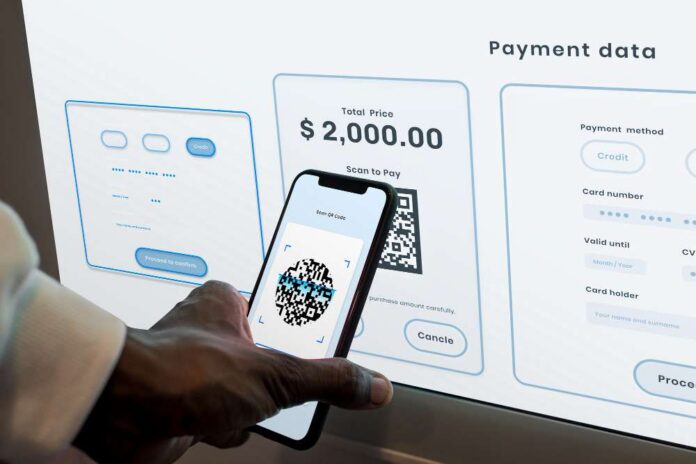

A customer asks a mobile banking assistant to explain recent spending, suggest a savings amount, and transfer $200 between accounts. The first request retrieves information. The second produces a recommendation. The third changes account balances and requires transaction authorization.
Banks introducing AI assistants need rules that connect each customer request to the permissions granted by the banking system. A permission matrix helps product, risk, and engineering teams define those rules before an assistant gains access to customer accounts.
What Do Access, Recommend, and Execute Mean in Mobile Banking?
Access permits the assistant to retrieve account information within the customer’s authorized scope. A balance inquiry might require an account identifier and available balance. Wider access to other accounts or payment instructions is unnecessary.
Recommend permits the assistant to explain choices or prepare a proposed action from permitted data. A savings suggestion can use transaction categories and customer-defined goals. The customer decides whether to accept the suggestion.
Execute refers to a banking service carrying out an authorized action, such as registering an alert or submitting a transfer. The assistant can initiate a request for that service, subject to bank policy. It should have no independent authority to approve or commit account changes.
What Should the Mobile Banking AI Permission Matrix Include?
The matrix below illustrates a proposed design. Each bank must set permission limits based on its products, customer agreements, risk assessment, and applicable rules.
| Banking task | Access | Recommend | Execute through bank services |
| Balance inquiry | The assistant reads authorized balances. | It explains the amounts shown. | The service makes no account change. |
| Spending analysis | It reads selected transactions. | It suggests a budget or savings target. | A settings service saves a customer-approved alert. |
| Transfer between owned accounts | It reads eligible accounts and limits. | It prepares the amount and destination. | A payment service processes an approved transfer after risk checks. |
| Bill payment | It reads permitted bill and payee details. | It prepares a payment for review. | A payment service checks authorization and submits the payment. |
| New payee | It reads permitted recipient information. | It prepares the payee details. | An account service applies verification and confirmation before saving them. |
| Card lock | It reads card status. | It explains the available card controls. | A card service locks the selected card after validating the request. |
| Transaction dispute | It reads the relevant transaction. | It drafts the dispute information. | A case service registers the approved request for bank review. |
For the $200 transfer, the assistant can present a draft containing the source account, destination, and amount. The banking application displays any fees and requests customer confirmation. The payment service checks the session, available funds, applicable limits, and risk rules before processing the transfer.
Which Controls Keep AI Actions Within Banking Permissions?
Banking APIs should check account ownership, customer permissions, and session status for each request. An assistant that answers balance questions needs read access to permitted fields. Direct credentials for transfer and account-management services should remain outside the assistant’s access.
A customer-facing confirmation screen should separate a proposed transaction from its submission. The bank may require stronger authentication for a new payee or a transaction flagged by its risk controls. Audit records should capture the proposed action, approval, authorization decision, and final transaction status without exposing sensitive account data.
Testing must cover expired sessions, access to another customer’s account, duplicate payments, rejected transfers, and instructions hidden inside retrieved text. The bank’s services should reject unauthorized requests from the assistant. Mobile banking app development guide provides context on banking integrations, application architecture, and security requirements.
Top 5 Companies for AI-Enabled Mobile Banking Development
These companies provide mobile, fintech, AI, or integration services relevant to banking assistants. Their published portfolios describe relevant engineering services, while delivery of this specific permission matrix remains unverified.
1. GeekyAnts
GeekyAnts provides mobile product engineering, AI development, and fintech services. Its published banking work covers mobile application modernization, payment integrations, account experiences, and connections with banking systems. Its services include testing, cloud engineering, and security. Banks connecting assistants to account records and payment APIs can assess these services against their authentication and integration requirements.
Clutch Rating: 4.9 (120 reviews)
Address: GeekyAnts Inc., 315 Montgomery Street, 9th and 10th Floors, San Francisco, CA 94104, USA
Phone: +1 845 534 6825, Email: info@geekyants.com, Website: geekyants.com
2. Kellton
Kellton provides financial-services technology, AI and data engineering, mobile development, and system integration. Its services cover banking modernization and connections between digital applications and existing systems. Its integration work can support banking assistants that retrieve financial information across mobile channels and existing data systems. Banks should examine its proposed approach to permission enforcement and transaction approvals.
Clutch Rating: 4.7 (54 reviews)
Address: Plot No. 1367, Road No. 45, Jubilee Hills, Hyderabad, Telangana 500033, India
Phone: +91 124 469 8900
3. Robosoft Technologies
Robosoft Technologies develops digital financial products covering payments, mobile experiences, data, and AI integration. Its fintech services include payment and card applications, financial platform modernization, and integration with financial systems. Banks building payment-related assistants can examine its mobile transaction design and backend integration work when evaluating implementation experience.
Clutch Rating: 4.7 (26 reviews)
Address: 217, NH 66, Santhekatte, Udupi, Karnataka 576105, India
Phone: +91 820 2593930
4. MindInventory
MindInventory develops mobile banking, digital wallet, payment, and other fintech applications. Its published services include account views, transfers, card controls, AI assistance, and financial API integration. Its service scope suits mobile banking assistants that explain spending records and prepare customer requests. A vendor assessment should examine the controls between assistant-generated instructions and transaction authorization.
Clutch Rating: 4.7 (56 reviews)
Address: 9341 Ellis Way, Strongsville, Ohio 44136, USA
Phone: +1 216 609 0691
5. Citrusbug Technolabs
Citrusbug Technolabs provides AI engineering, financial software development, and payment-system integration. Its services include conversational applications, payment gateway engineering, and connections with financial platforms. Banks introducing conversational features into payment products can assess these services against their data-access rules and customer approval requirements.
Clutch Rating: 4.7 (49 reviews)
Address: 1 Pierce Place, Suite 280C, Itasca, Illinois 60143, USA
Phone: +1 510 561 8188
What Should Banks Evaluate in a Development Partner?
The evaluation should start with a defined banking task and its required data, approval steps, and failure conditions. Teams should ask providers to demonstrate account-level permissions, customer confirmation, duplicate-payment prevention, and audit records through a working workflow.
Banks planning to hire AI developers should assess experience with banking APIs, mobile security, AI testing, and payment integration. Published service descriptions show the available capabilities. A workflow demonstration should establish the fit with the bank’s requirements.
Final Thoughts
The mobile banking AI permission matrix establishes which information an assistant can retrieve, which proposals it can prepare, and which actions require a bank-controlled service. Each permission should reflect the customer’s rights and the risk attached to the task.
Banks can use the matrix to define product requirements, test unauthorized requests, and evaluate engineering partners. The goal is a banking assistant that supports customer decisions while account access and transaction authority remain subject to enforceable controls.


