


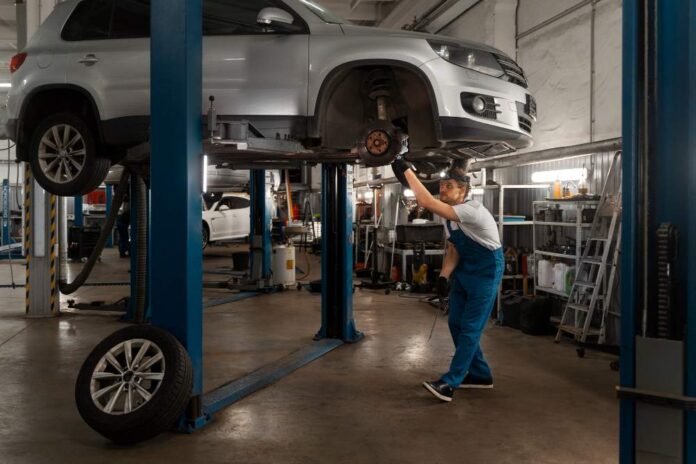

Managing a fleet of vehicles can be challenging for any business. From delivery vans to company cars, keeping each vehicle in optimal condition requires careful planning and regular servicing. Fleet maintenance scheduling allows businesses in Greenville, Wisconsin, to stay ahead of potential problems by creating a structured approach to vehicle care.
Without a proper maintenance schedule, vehicles are more likely to experience unexpected breakdowns. These incidents not only disrupt operations but also incur significant repair costs and potential liability risks. A proactive approach ensures that minor issues are addressed before they escalate into major repairs, keeping your business fleet on the road and reducing operational interruptions.
The Importance of Dedicated Fleet-Service Lanes
One of the key benefits offered by car repair shops in Greenville is dedicated fleet-service lanes. Unlike general repair lanes, these are reserved for businesses with multiple vehicles, allowing for faster service. Fleet managers can drop off vehicles with minimal waiting time, ensuring they return to the road promptly.
Dedicated fleet lanes provide predictable scheduling and reduce downtime, which is critical for businesses that rely on timely deliveries or transportation services. For example, a construction company relying on multiple trucks for daily operations cannot afford the delays caused by extended service times. By using dedicated lanes, repair shops ensure fleet vehicles are prioritized, streamlining service and improving operational efficiency.
Moreover, these lanes allow repair technicians to develop expertise in fleet servicing, often providing quicker diagnostics and repairs due to familiarity with recurring issues. Businesses benefit from the consistency and reliability that dedicated fleet lanes provide, creating a smoother workflow and improved vehicle availability.
How Fleet Pricing Tiers Save Businesses Money
Cost management is a major concern for companies maintaining multiple vehicles. Fleet pricing tiers, often offered by repair shops in Greenville, allow businesses to save money by bundling services or providing discounts based on the number of vehicles enrolled.
For instance, a business with ten vehicles might receive a lower per-vehicle rate for oil changes, brake inspections, and tire rotations compared to a company with only one or two vehicles. These savings can be significant over the life of the fleet, especially when combined with preventive maintenance strategies.
Fleet pricing tiers also encourage regular maintenance, which is crucial for preventing expensive repairs down the line. Businesses that adhere to consistent service schedules typically experience fewer breakdowns and longer-lasting vehicles, resulting in a stronger return on investment.
Preventive Maintenance: The Key to Reducing Downtime
Preventive maintenance is at the heart of any fleet maintenance scheduling strategy. Regular inspections, oil changes, brake checks, and tire rotations help identify potential issues before they become critical problems.
By adhering to preventive maintenance schedules, businesses in Greenville can reduce unexpected repairs and minimize downtime. Vehicles that are regularly maintained are less likely to experience major mechanical failures, which means fewer service interruptions and better operational reliability.
Additionally, preventive maintenance improves safety. Fleet vehicles that undergo regular inspections are less likely to experience accidents caused by mechanical failures. This reduces liability risks for businesses and ensures that drivers operate vehicles that are safe and reliable.
Creating an Effective Fleet Maintenance Schedule
An effective fleet maintenance schedule begins with understanding each vehicle’s usage patterns and manufacturer recommendations. High-mileage vehicles, for example, require more frequent servicing than vehicles used only occasionally.
Fleet managers should track mileage, fuel consumption, and past repair history to develop tailored schedules for each vehicle. Digital tools and fleet management software can simplify this process by sending reminders, tracking service history, and analyzing trends.
It is also important to consider seasonal factors. Vehicles in Wisconsin may require winter-specific maintenance, such as tire changes, battery inspections, and coolant system checks. By accounting for seasonal needs, fleet managers can prevent weather-related breakdowns and keep vehicles running smoothly year-round.
Technology and Fleet Maintenance
Modern technology has transformed the way businesses manage fleet maintenance. Digital booking systems, mobile apps, and fleet management software allow managers to track maintenance schedules, monitor vehicle performance, and receive automated reminders for upcoming services.
These tools reduce human error, provide valuable insights into fleet performance, and help prioritize vehicles that need immediate attention. Businesses that leverage technology in their maintenance planning gain a proactive advantage, preventing costly surprises and maintaining operational efficiency.
Tailoring Maintenance to Vehicle Types
Fleet vehicles vary widely in type and function, from passenger cars and light trucks to vans and specialized commercial vehicles. Each type has unique maintenance needs. For example, vans used for deliveries may require more frequent brake and transmission checks, while passenger cars may need routine oil changes and tire maintenance.
Understanding these differences allows fleet managers to implement targeted maintenance schedules. This ensures all vehicles remain safe, reliable, and efficient, regardless of their function or usage. Light commercial vehicles are expected to see the highest growth in service demand through 2030, emphasizing the importance of specialized fleet maintenance strategies.
Communication Between Fleet Managers and Repair Shops
Effective communication is essential for smooth fleet operations. Fleet managers should maintain open lines of communication with repair shops to ensure timely reporting on vehicle conditions, upcoming service needs, and historical repair records.
By sharing this information, businesses can coordinate service appointments that minimize operational disruptions. Clear communication also allows repair technicians to plan for parts availability, service duration, and specialized maintenance requirements, ensuring a seamless experience for businesses relying on multiple vehicles.
Environmental and Regulatory Benefits
Fleet maintenance scheduling is not only about operational efficiency but also environmental responsibility. Well-maintained vehicles run more efficiently, reducing fuel consumption and emissions.
Regular maintenance ensures that vehicles comply with state and federal regulations regarding emissions and safety inspections. Businesses that prioritize scheduled maintenance reduce the risk of regulatory penalties and demonstrate a commitment to sustainability, which can positively impact their public image.
Real-World Examples of Fleet Scheduling Success
Consider a local delivery company in Greenville managing a fleet of ten vans. By implementing a structured maintenance schedule, using dedicated fleet-service lanes, and leveraging tiered pricing, the company reported a 25% reduction in unplanned repairs over a 12-month period. Vehicles remained operational longer, deliveries stayed on schedule, and overall maintenance costs decreased.
Similarly, a construction firm using multiple trucks benefited from dedicated service lanes that minimized downtime. Regular inspections and preventive maintenance reduced vehicle breakdowns on job sites, improving project timelines and client satisfaction.
These examples highlight how proactive fleet maintenance scheduling can directly impact operational efficiency, cost savings, and business reliability.
Industry Trends in Fleet Maintenance
The U.S. automotive service market continues to expand due to increasing vehicle ownership, growing demand for preventive maintenance, and advancements in vehicle technology. Businesses that adopt proactive maintenance strategies are better positioned to leverage these trends and maintain competitive fleets.
The integration of technology into maintenance operations is another growing trend. Fleet managers are increasingly using software for predictive maintenance, remote diagnostics, and data-driven decision-making. This approach enables businesses to optimize vehicle performance and extend fleet lifespan while reducing unexpected costs.
Final Thoughts
Fleet maintenance scheduling in Greenville, Wisconsin, is essential for keeping business vehicles running smoothly. By leveraging dedicated fleet-service lanes, tiered pricing, preventive maintenance, technology, and effective communication, businesses can reduce downtime, save money, and extend the life of their fleet. According to Mordor Intelligence, the growth of the U.S. automotive service market underscores the importance of structured fleet maintenance. Companies that invest in these practices gain a competitive edge, ensuring operational reliability and long-term success.


