


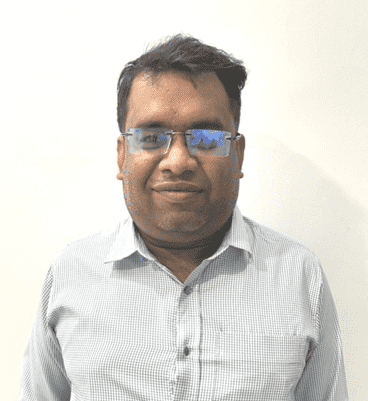

As DFC Logistics ramps up its operations with new warehouse facilities in Uttar Pradesh and plans for strategic transit hubs in Rajasthan and Gujarat While having a strong operational footprint in Bihar and Jharkhand. Mukesh Kumar Agarwal, CFO of DFC during an interview with TechGraph said, “The govt funded projects like the Amritsar-Kolkata Industrial Corridor are expected to drive economic growth in Eastern India, and we are poised to capitalize on these emerging opportunities through targeted investments in its logistics network.”
Read the complete interview:
TechGraph: How does DFC Logistics stay competitive in the Indian logistics industry, especially with the current trend of companies merging and consolidating?
Mukesh Kumar Agarwal: DFC Logistics maintains a competitive edge by leveraging our extensive network across Tier 2 and 3 cities, offering personalized and localized services.
While consolidation is prevalent in the industry, we focus on enhancing efficiency and customer experience through technology integration and strategic expansion.
By remaining agile and adapting to market shifts, we’ve built strong and enduring relationships with over 60,000 clients, including manufacturers, distributors, and retailers. Our retention rate of 60% is a testament to our commitment to delivering exceptional value and service.
TechGraph: With digitalization and changing consumer expectations, how is DFC Logistics evolving its services to better meet customer needs?
Mukesh Kumar Agarwal: To enhance our operational efficiency and customer experience, we’re continuously refining our technology. By leveraging advanced analytics, we’re gaining valuable insights into market trends and customer behavior, enabling us to optimize our marketing strategies and cost structures.
Additionally, we’re expanding our last-mile delivery capabilities by introducing smaller, cleaner vehicles, including electric vehicles (EVs).
Our recent acquisition of 45 new 3-wheeler electric vehicles, leased to companies like Magenta Mobility and Fyn Mobility, is a testament to our commitment to sustainability and efficient urban deliveries in New Delhi and Bangalore.
TechGraph: What steps has DFC Logistics taken to improve efficiency and reduce costs in areas like parcel delivery, warehousing, and fleet services?
Mukesh Kumar Agarwal: To enhance operational efficiency and reduce costs, we have implemented a comprehensive strategy. Our fleet management system leverages real-time tracking and predictive maintenance to minimize downtime and optimize fuel consumption.
Additionally, we have entered into a five-year Annual Maintenance Contract (AMC) with Eicher Care for our new fleet. This strategic partnership will streamline our fleet management operations and further reduce vehicle downtime.
TechGraph: Could you share some of the infrastructure challenges that impact logistics efficiency in India? How does DFC Logistics tackle these issues, and what infrastructure improvements would benefit the industry?
Mukesh Kumar Agarwal: Indian logistics companies often grapple with inefficiencies stemming from the country’s infrastructure challenges, particularly poor road quality in rural areas and red tape in ports.
To mitigate these obstacles, we strategically position our warehouses in regions with better infrastructure and leverage advanced technology to optimize route planning and avoid bottlenecks.
However, the industry’s overall progress necessitates a significant increase in investment in rural road development and the modernization of port facilities to reduce transit times and enhance logistics efficiency.
TechGraph: The recent Indian budget has implications for the logistics sector. How do you think these budget provisions will affect DFC Logistics’ financial performance and strategy in the short and long term?
Mukesh Kumar Agarwal: The government’s focus on infrastructure development and digitalization aligns perfectly with our strategic goals. The recent allocation of infrastructural projects to Bihar and Jharkhand, regions where we have a strong operational presence, will positively impact our topline.
By investing in green initiatives and aligning our strategies with government programs, we are poised to capitalize on emerging opportunities in both rural and urban logistics networks.
The proposed infrastructure projects outlined in the Union Budget, such as the Amritsar-Kolkata Industrial Corridor and the various road connectivity projects in Bihar, will further bolster our operations and contribute to the development of the eastern region.
These initiatives are instrumental in transforming Bihar, Jharkhand, West Bengal, Odisha, and Andhra Pradesh into a dynamic economic powerhouse, driving growth and creating new opportunities.
TechGraph: Considering the current economic situation, what are DFC Logistics’ main investment priorities for the next fiscal year? Are there any plans for significant expansions or new services, especially in light of recent budget allocations?
Mukesh Kumar Agarwal: Our primary investment priorities for the next fiscal year focus on strengthening our logistics network and furthering our commitment to sustainability. We’re strategically expanding our warehouse capacity with new facilities planned in Uttar Pradesh, aiming to shorten delivery times and broaden our service coverage.
Additionally, we’re exploring investments in a new fleet of eco-friendly vehicles and green energy sources to align with this year’s budget and support our long-term sustainability goals. Given that Rajasthan and Gujarat account for approximately 30-40% of the country’s production and logistical needs, we also plan to establish strategic transit hubs in these regions.
TechGraph: How is DFC Logistics incorporating Environmental, Social, and Governance (ESG) criteria into its core business strategy? Are there any sustainability goals or initiatives you’re particularly proud of?
Mukesh Kumar Agarwal: We are committed to further reducing our carbon footprint, promoting fair labor practices, and ensuring transparency across our operations.
We have set ambitious sustainability goals, such as achieving carbon-neutral operations by 2030 and cutting our fleet emissions by 10% each year for the next five years.
Currently, 70% of our fleet is either electric or CNG-powered. We are hoping to increase this every year to achieve our 2030 targets.
TechGraph: The logistics industry can be vulnerable to disruptions like natural disasters or geopolitical events. What are the key risk management strategies DFC Logistics uses to ensure smooth operations?
Mukesh Kumar Agarwal: Logistics as an industry does not halt under critical conditions as we have witnessed in the past be it during the Covid-19 pandemic or any natural disaster. But we at DFC have persevered through many such adversities in our operations.
DFC’s proactive approach to supply chain management demonstrated exceptional resilience during the COVID-19 pandemic. Our diversified networks, real-time analytics, and robust contingency planning ensured the uninterrupted delivery of essential goods.
By leveraging advanced technology and maintaining strong processes, we can adapt swiftly to evolving challenges and maintain operational continuity. This commitment to resilience underscores our ability to deliver exceptional service even in the most demanding circumstances.
TechGraph: Finally, what do you think are the key trends and innovations that will shape the future of the logistics industry in India?
Mukesh Kumar Agarwal: Key trends shaping the future of logistics in India include the rise of e-commerce, a push for sustainability, and the adoption of IoT and AI. Sensors and IoT-enabled vehicles can give us quantitative data regarding a particular driver or route. Consumer demand for faster and more reliable delivery services is growing. Our commitment to sustainability is evident in our fleet of eco-friendly vehicles.