


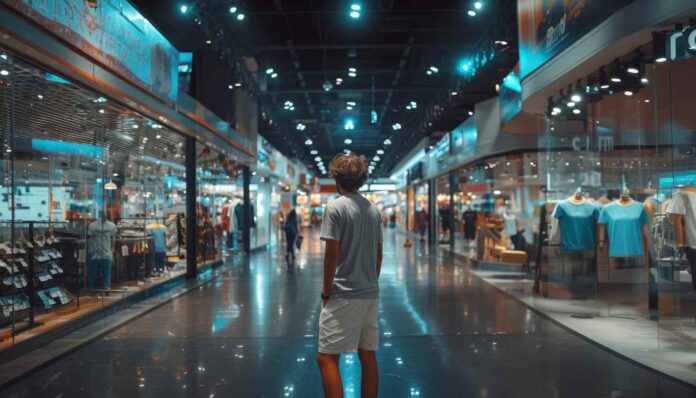

Organized retail in India remained more or less restricted to a select few metro cities for many years. The malls, high streets, and branded showrooms were all concentrated in Delhi, Mumbai, Bangalore, and some other big cities, but the smaller cities had their local bazaars and individual stores. Times have changed since then. Retail is moving outward, and it’s moving faster than most people tracking the real estate sector expected.
What’s Actually Pulling Retail Outward
A few things are converging at once. Disposable incomes in Tier 2 and Tier 3 cities have grown steadily over the past several years, driven by local business growth, better jobs, and in several cases, industrial activity setting up nearby. That income needs somewhere to go, and increasingly, it’s going toward the same brands and shopping experiences people in bigger cities have had access to for years.
Connectivity plays its part too. Improved connectivity through better roads, logistics, and internet has brought these cities closer to the rest of India, not only physically but in terms of knowledge. If there is someone in Karnal or Panipat today who knows exactly what a shopping mall in Gurgaon looks like, it’s because he or she has seen it on the Internet or visited it personally. This demand cannot be met by local markets.
E-commerce, oddly enough, has helped rather than hurt this trend. It introduced smaller-city consumers to brands and categories they’d never encountered locally, and a fair share of that online familiarity eventually turned into a preference for a physical store, somewhere to try things on, see them in person, and buy on the spot.
Why Developers Are Paying Attention
From a developer’s standpoint, the appeal is fairly direct. Land in these cities is still considerably cheaper than in metro retail corridors, which means a well-planned retail development can be built at a fraction of the cost, while still commanding meaningful footfall and rental interest. Competition is also thinner. A city that’s never had an organised shopping destination offers a kind of first-mover advantage that’s almost impossible to find in an already saturated metro market.
That being said, constructing retail centers within these cities cannot be considered mere replication of a mall but in a smaller form. People behave differently; families consider a shopping trip as part of their leisure activity and couple it with eating out and entertainment, making it much more than just a quick stop. This is why the actual design of the retail center has to reflect this approach.
The Challenges Associated With Such a Trend
However, all of this comes with its own challenges. The retail demand in a smaller city is indeed true, but not as pronounced as in a larger metropolitan area, meaning that the mistake in the tenant mix could result in the development being unable to sustain itself, even if it is located in a prime location. Moreover, the brands themselves will be hesitant about moving to such cities quickly due to the same concern for demand sustainability.
Finally, the infrastructure surrounding such projects needs to receive proper consideration at the planning stage because adding such infrastructure after the development has become operational would be quite difficult.
What This Means Going Forward
I don’t think this is a passing trend tied to a temporary spending boost. It reflects a more structural shift, incomes rising steadily in these cities, and consumer expectations catching up with what’s already available in larger urban centres. Retail is simply following where that demand actually exists.
If developers decide to develop these types of projects properly, by getting the right combination of tenants, proper infrastructure, and an actual understanding of how consumers in this area actually shop, then Tier 2 and Tier 3 cities could be one of the better retail investments in the nation at this time. Those cities that figure this out sooner rather than later will probably provide the blueprint for organized retailing in India in the years to come.


