


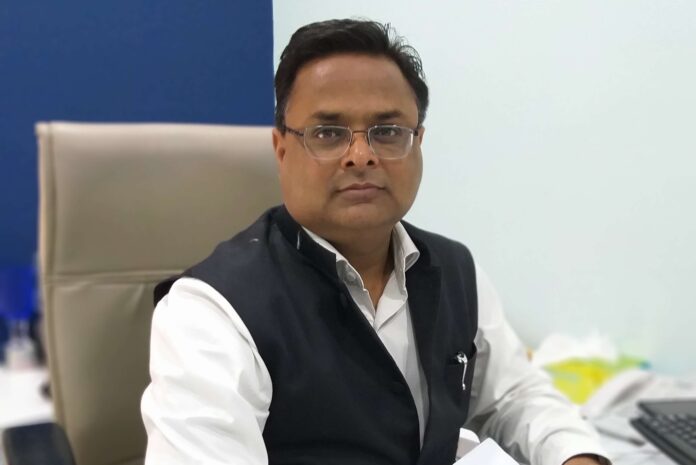

In an interview with TechGraph, Rakesh Goyal, Director of Probus, discussed how recent changes in IRDAI regulations have driven innovation within the company. He also highlighted the company’s efforts to expand its presence in rural India through specialized insurance products, including crop and livestock protection.
Read the complete interview in detail:
TechGraph: Probus has been a significant player in the Indian insurance market. How does your range of services meet the changing needs of today’s customers, especially in the retail and small business sectors?
Rakesh Goyal: Probus Insurance offers a diverse range of insurance products that cater to both retail and small business sectors. By focusing on personalized insurance plans, we meet the growing demand for flexibility in coverage. For small businesses, Probus provides tailored solutions that offer comprehensive protection across various business risks, ensuring financial security and continuity.
In the retail sector, we focus on simplifying insurance products and making them more accessible through digital platforms (app and website), ensuring that customers can easily compare and purchase policies that suit their needs.
Additionally, our self-inspection service for car damages offers policyholders the convenience of assessing and reporting vehicle damage through a mobile app, streamlining the claim process and reducing the need for physical inspections.
TechGraph: With growing competition from digital insurers and insurtech startups, how does Probus set itself apart in terms of technology, customer experience, and product innovation?
Rakesh Goyal: Probus sets itself apart through a combination of cutting-edge technology, superior customer experience, and continuous product innovation. Our technology-driven platforms enable us to provide seamless, personalized services, from policy issuance to claim settlement.
We focus on enhancing customer experience by offering 24/7 support (through ChatBot, and WhatsApp Chat features), faster claim processing, and integrating digital tools that empower customers to manage their policies online. Our self-inspection service for car damages also accelerates claim approvals.
In terms of product innovation, we stay ahead by introducing new-age products tailored to evolving consumer needs, including exploring telematics and usage-based insurance models. AI and RPA further enhance our operational efficiency by automating underwriting and streamlining routine tasks, enabling faster, more accurate service delivery.
TechGraph: Despite progress, insurance penetration in India remains relatively low compared to other major economies. What are the main challenges Probus faces in expanding coverage, particularly in rural and underinsured areas?
Rakesh Goyal: While Probus has made significant strides in urban markets, expanding coverage in rural and underinsured areas poses unique challenges. Limited awareness, affordability, and access to digital infrastructure remain the primary hurdles. To address these, Probus is actively working on expanding its POSP network and investing in grassroots-level awareness campaigns.
Through initiatives along with Ajay Verma to connect with more than 80,000 farmers in the eastern region, we are introducing specialized insurance products such as crop and livestock protection to underserved areas. This outreach demonstrates our commitment to catering to the unique needs of farmers and promoting financial inclusion in rural communities.
TechGraph: Globally, telematics and usage-based insurance models are gaining popularity. Is Probus exploring these innovative products in the Indian market? If so, how do you think they will affect traditional insurance models?
Rakesh Goyal: Probus is still exploring telematics and usage-based insurance models as part of its innovation strategy. These models, which calculate premiums based on actual usage or driving behavior, offer immense potential for motor insurance.
By integrating telematics, we would aim to provide more customized premiums that benefit safe drivers while promoting responsible driving behavior.
Additionally, Probus’s self-inspection service for car damages reflects our focus on using technology to enhance transparency and efficiency in the claim process. While these models are still nascent in India, we believe they will gradually reshape traditional insurance models by making them more personalized and data-driven.
TechGraph: The regulatory landscape for insurance in India is constantly changing. How have recent developments, like the new IRDAI norms, impacted Probus’s business strategy and compliance?
Rakesh Goyal: The recent IRDAI norms have prompted Probus to re-align its business strategy, focusing more on customer-centric offerings and compliance with enhanced disclosure requirements.
The push towards simplifying policy language and greater transparency has helped us improve customer trust. Additionally, new guidelines related to digital sales and distribution models have enabled us to scale our digital platforms, ensuring smoother customer onboarding and policy management experiences while remaining compliant with evolving regulations.
TechGraph: Government reforms have put a spotlight on the insurance sector. In your view, what role do regulatory bodies play in promoting innovation while ensuring consumer protection?
Rakesh Goyal: Regulatory bodies like IRDAI play a crucial role in promoting innovation while safeguarding consumer interests. By introducing regulatory sandboxes and encouraging the adoption of digital platforms, IRDAI has created a conducive environment for product innovation.
However, regulations also ensure that consumer protection remains at the forefront, with strict guidelines on transparency, grievance redressal, and claims processing. Probus values the balance between innovation and compliance, which allows us to innovate responsibly.
TechGraph: Given the shift in consumer behavior post-pandemic, particularly towards health and life insurance products, how has Probus adapted its offerings to meet this changing demand?
Rakesh Goyal: The COVID-19 pandemic has heightened awareness around health and life insurance, prompting Probus to revamp its offerings to cater to this demand. At the forefront of our operations, technology, and innovation drive us forward, ensuring our customers benefit from cutting-edge advancements.
We introduced COVID-specific health plans early on and expanded our portfolio with more comprehensive health coverage options. Our life insurance products now offer enhanced coverage with flexible premiums, catering to the growing demand for protection-focused insurance.
Post-pandemic, our emphasis has shifted towards leveraging AI to streamline processes and meet evolving customer needs efficiently. Prioritizing seamless digital experiences, we continually enhance our portal/app, simplifying operations and ultimately enriching the customer experience.
TechGraph: Microinsurance products are seen as key to financial inclusion. What steps is Probus taking to make insurance more accessible and affordable for low-income groups?
Rakesh Goyal: Probus is committed to making insurance more inclusive by introducing microinsurance products that are affordable and easily accessible. We are partnering with POSP partners and digital platforms to ensure that low-income groups have access to basic coverage, be it life, health, or property insurance.
Our products are designed to meet the specific needs of these groups with low premiums, minimal paperwork, and simplified claims processes, making insurance a viable safety net for underserved populations. Initiatives like our outreach to farmers through Ajay Verma further emphasize our efforts to cater to low-income groups and expand financial protection in rural areas.
TechGraph: Lastly, what is your vision for Probus Insurance’s growth, and what key milestones are you aiming to achieve in the coming years?
Rakesh Goyal: Probus aims to solidify its position as a leader in the Indian insurance market by expanding its reach across rural and urban India. Our vision is to be a household name synonymous with trust, innovation, and customer satisfaction. Key milestones include achieving growth in policy issuance through digital channels, expanding our POSP network in rural areas, introducing more technology-driven products such as telematics and self-inspection services, and leveraging AI and RPA for operational efficiency. We are focused on sustainable growth while continuously adapting to changing consumer demands.