


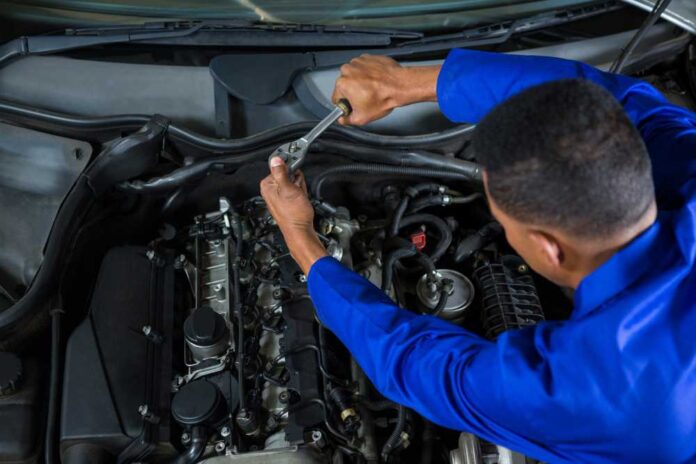

Annual auto maintenance helps keep your vehicle reliable, safe, and ready for everyday driving. Even if your car seems to run well, routine service can catch small concerns before they become larger repair needs. A yearly maintenance plan is especially useful for drivers who want to protect performance, improve safety, and extend the life of major vehicle systems. From fluid checks to tire care, windshield inspections, and alignment service, a consistent approach can make ownership easier and more predictable.
Start With a Complete Vehicle Inspection
A yearly inspection gives auto professionals a chance to evaluate the overall condition of your vehicle. This may include checking the engine, belts, hoses, battery, brakes, lights, suspension, filters, fluids, tires, and warning indicators. Even basic wear can affect how a vehicle handles, stops, or performs on the road. By scheduling an annual inspection, drivers can better understand what needs immediate attention and what should be monitored over time.
The demand for professional auto service continues to grow as vehicles remain essential for work, school, errands, and travel. According to Auto Leap, the U.S. auto repair market is expected to reach $134 billion by 2033. This projected growth reflects how important maintenance and repair services are for keeping vehicles dependable. For beginners, working with a trusted shop can make it easier to build a sensible service schedule.
Keep Up With Oil, Fluids, and Filters
Oil changes are one of the most familiar parts of auto maintenance, but they are not the only fluid-related service to remember. Your vehicle also relies on coolant, brake fluid, transmission fluid, power steering fluid, and windshield washer fluid. Over time, these fluids can become low, dirty, or less effective. Annual service is a good opportunity to check their condition and replace them when recommended by the vehicle manufacturer.
Filters also play an important role in vehicle health. Engine air filters help protect the engine from debris, while cabin air filters help improve the air entering the passenger area. A dirty filter can reduce efficiency, affect comfort, or force systems to work harder than necessary. Replacing worn filters is a simple but meaningful way to support performance throughout the year.
Inspect the Windshield and Auto Glass
Your windshield does more than block wind and rain. It supports visibility, helps protect occupants, and contributes to the structural safety of the vehicle. Chips, cracks, worn wipers, and poor washer performance can all make driving more difficult, especially during rain, snow, glare, or nighttime conditions. During annual maintenance, drivers should have windshield damage reviewed before it spreads or interferes with visibility.
Windshield repair is common enough to support a dedicated service field. According to IBISWorld, there are about 5,854 auto windshield repair businesses in the U.S. This shows how frequently drivers need help with glass-related concerns. Addressing windshield damage early can often prevent a small chip from becoming a larger crack that requires more extensive work.
Check Tires and Schedule Alignment Service
Tires affect traction, braking, fuel efficiency, and overall ride comfort. During annual maintenance, tire tread depth, air pressure, sidewall condition, and wear patterns should all be checked. Uneven wear may indicate an alignment issue, suspension problem, or improper inflation. Rotating tires as recommended can also help them wear more evenly and last longer.
Wheel alignment is another key part of routine vehicle care. According to AutoZone, most vehicles generally benefit from a wheel alignment every 12,000 to 15,000 miles or about once per year. Proper alignment helps the vehicle track straight, reduces uneven tire wear, and supports safer handling. If your car pulls to one side or the steering wheel feels off-center, alignment service may be needed sooner.
Do Not Overlook Brakes and Battery Health
Brakes should be inspected at least once a year because they are essential to safe driving. Pads, rotors, calipers, brake fluid, and related components can wear gradually, making problems easy to miss until performance changes. Squealing, grinding, vibration, or a soft brake pedal should never be ignored. A yearly brake inspection can identify wear before stopping power becomes compromised.
Battery health is also important, especially before extreme heat or cold places extra strain on the vehicle. Corrosion, weak charge, loose connections, and age can all affect reliability. During annual service, a technician can test the battery and charging system to reduce the risk of unexpected starting problems.
Annual auto maintenance gives beginners a practical way to care for their vehicles without waiting for major problems. Inspections, fluid checks, filter replacements, windshield care, tire service, alignments, brake reviews, and battery testing all help support safer and more reliable driving.
By creating a yearly maintenance routine, drivers can make better decisions, reduce avoidable wear, and feel more confident behind the wheel. A well-maintained vehicle is easier to trust, easier to drive, and better prepared for the demands of everyday travel.


