


India’s new AI gold rush is measured not in ounces but in gigawatts. Hyperscale data‑center capacity stood at barely 1.4 GW last year; by 2030, analysts expect it to touch 9 GW, drawing roughly three per cent of the country’s total electricity supply, triple today’s share. This growth is lionised as proof of a vibrant digital economy, yet it also magnifies an uncomfortable truth: the energy‑and‑water appetite of AI infrastructure is colliding head‑on with the climate crisis India already faces.
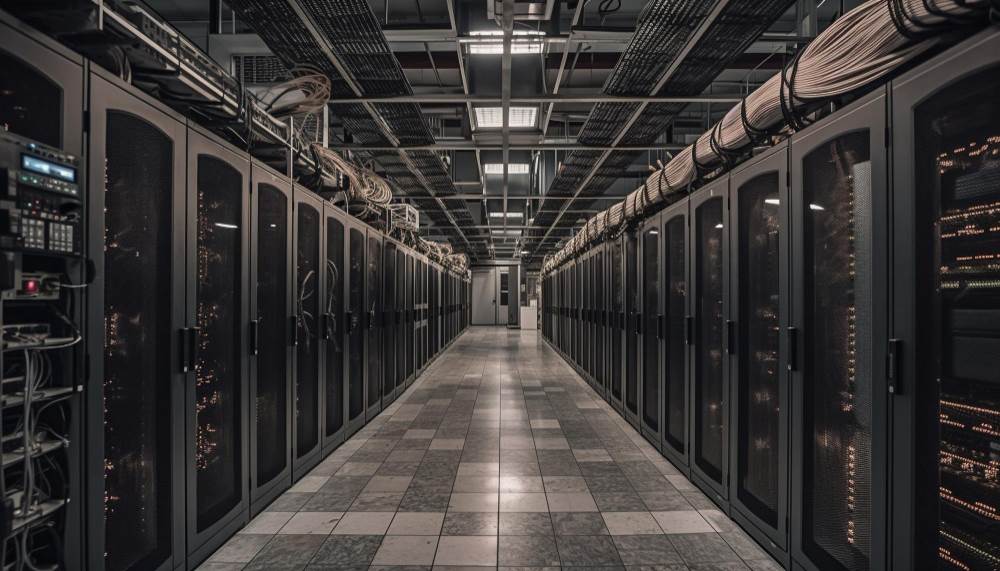
Today’s gleaming server halls are anything but virtual. Their physical footprint spans across Mumbai, Hyderabad, Delhi-NCR, and a widening constellation of Tier-II cities, fueled by annual investments that could top ₹1.8 trillion by the end of the decade. Compute-hungry AI models are propelling the shift; consultancies forecast that by 2030, as much as half of the installed IT load will be reserved for GPUs and other AI workloads.

That power draw brings a parallel environmental bill. The average data‑center complex can absorb as much electricity as an aluminium smelter or 100,000 homes, concentrating grid stress in just a handful of urban hubs. Because 70 per cent of Maharashtra’s and 80 per cent of Delhi’s generation still comes from fossil fuels, AI’s success risks chaining India’s growth to coal just as the country pledges net‑zero by 2070.
Water is the less visible, equally troubling half of the ledger. Cooling towers already consumed an estimated 150 billion litres nationwide in 2025; without intervention, that figure could exceed 350 billion litres by 2030, almost the annual drinking‑water need of Rajasthan. The national draft Data Center Policy “encourages” solar and wind procurement but remains silent on water disclosure or conservation targets, leaving both responsibilities to corporate discretion.
The policy gap
India’s 2020 draft policy and many state incentives focus on land, tax breaks, and single‑window clearances, yet omit mandatory environmental safeguards. Infrastructure status ensures easy credit, but not sustainable siting. Meanwhile, forward-looking developers such as Sify, CtrlS, AdaniConneX, Nxtra, and Yotta are unveiling green-powered campuses, proving that clean energy procurement is both technically and increasingly economically viable. Still, voluntary action cannot substitute for regulation when an industry’s demand curve is this steep.
A blueprint for institutional safeguards
Codify renewable thresholds. Every new facility above 10 MW should procure at least 75 per cent of its electricity from additional renewable capacity, backed by firm‑dispatch storage mirroring global best practice and aligning with India’s 500 GW RE target. The IEEFA notes that battery‑plus‑solar tariffs have already undercut gas‑fired power.
Mandate water‑use reporting and caps. Operators must disclose annual direct and indirect water consumption, publish watershed‑stress assessments, and adopt closed‑loop or air‑cooling where feasible.
Integrate data centers into environmental impact norms. Treat clusters as industrial projects requiring cumulative‑impact studies, community consultation, and periodic audits, not merely as “IT buildings.”
Create grid‑interactive incentives. Offer tariff rebates for facilities that can shed or shift load during peak hours, monetising idle UPS and battery resources as virtual power plants.
Price carbon and water at the source. A modest levy earmarked for local climate adaptation would reward efficiency and fund resilience infrastructure in host districts.
Establish a central “Green DC Registry.” Similar to SEBI’s ESG disclosures, this public dashboard would track energy mix, PUE, WUE, and emissions, giving hyperscalers a reputational stake in sustainable operations.
Requirement Sustainable Data Centres
India’s digital revolution hinges on data centres, which are expanding rapidly to meet soaring demand from cloud, AI, and fintech. However, these facilities are highly energy- and water-intensive, potentially consuming 6% of the country’s power by 2030. To prevent environmental strain, data centre operators and policymakers are adopting renewable energy, efficient cooling, and green building practices. Sustainable strategies not only reduce costs but also position India’s digital infrastructure for global leadership, striking a balance between growth and environmental responsibility.
Conclusion
Artificial‑intelligence breakthroughs promise extraordinary social and economic dividends, but they cannot be allowed to drown out the urgency of climate realities. India’s digital ambitions and its environmental obligations are not mutually exclusive; the technologies that crunch petabytes of data can also optimise demand, cut leaks, and integrate renewables at scale. What is missing is a sturdy institutional scaffold that ensures every new teraflop helps bend, rather than break, the emissions curve. Without it, the promise of the cloud may not be fully realized.
The choice before policymakers is stark yet simple: embed robust safeguards now, or let tomorrow’s data‑center skylines cast a much darker shadow on India’s climate horizon.