


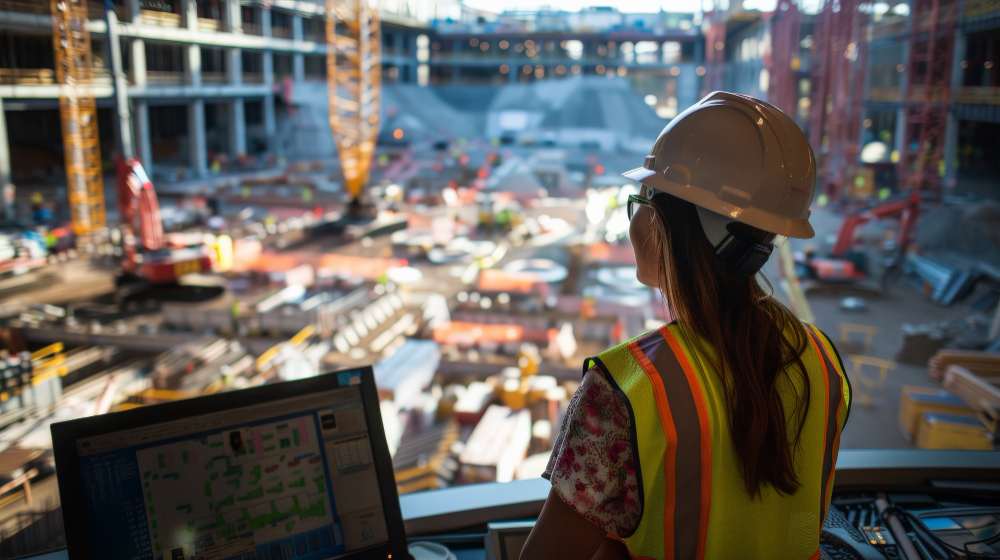
Industrial operations and infrastructure continue to evolve as organizations adapt to new technologies, regulatory expectations, and efficiency demands. Across sectors such as manufacturing, construction, and heavy industry, there is a noticeable shift toward improved safety protocols, more flexible equipment usage models, and strategic material selection. As industries modernize, practices that were once considered standard are being refined or replaced with approaches that prioritize productivity, worker safety, and long-term durability.
Evolving Standards in Metal Fabrication Safety
Metal fabrication has seen significant advancements in how safety is integrated into daily operations and quality control systems. Modern fabricators increasingly embed safety training as a formal component of their documented quality control programs rather than treating it as an optional or secondary measure. This training includes instruction on the correct use of personal protective equipment (PPE), ensuring workers are properly equipped to handle hazardous environments, including the proper use of PPE such as 3M respirator masks paired with welding hoods to reduce exposure to fumes and particulates.

By incorporating safety training into structured quality control frameworks, metal fabrication facilities create more consistent and accountable operational standards. This approach not only helps reduce workplace incidents but also contributes to higher-quality output, as properly trained personnel are more likely to follow precise procedures. Over time, these practices reflect a broader industry trend in which safety and quality are closely aligned, reinforcing the idea that operational excellence depends on both skilled labor and rigorous safety protocols.
Growth of Equipment Rental in Infrastructure Projects
Infrastructure development has also been influenced by the increasing adoption of equipment rental models, particularly for large-scale machinery such as cranes. Rather than investing heavily in ownership, many companies now rely on rental services to access specialized equipment as needed. This shift provides greater flexibility in managing project costs, scheduling, and resource allocation. It also allows contractors to scale equipment usage according to project requirements without committing to long-term capital expenditures.
Market data indicates that the demand for crane rental services in the U.S. is expected to grow steadily, with forecasts suggesting an average annual growth rate of approximately 5.64% between 2025 and 2035. This projected growth highlights the continued reliance on rented equipment in construction and infrastructure projects, where cranes play a critical role in lifting, positioning, and assembling heavy materials. The increasing complexity of modern construction sites, combined with tighter project timelines, has contributed to this trend.
Equipment rental also supports operational efficiency by reducing maintenance responsibilities for end users. Rental providers typically handle inspections, servicing, and compliance requirements, ensuring that machinery meets safety and performance standards. As infrastructure projects expand in scale and scope, the ability to access reliable equipment on demand becomes an important factor in maintaining productivity and meeting deadlines.
Material Selection Trends in Modern Industrial Applications
Material selection remains a key consideration in industrial operations, particularly in applications that require strength, corrosion resistance, and long-term reliability. Stainless steel has emerged as one of the most widely used materials in various industrial contexts due to its durability and performance characteristics. In certain segments, such as the flanges market, stainless steel accounts for a significant portion of material usage, representing approximately 45% of the total share in recent analyses.
This preference is driven by stainless steel’s ability to withstand harsh environments, including exposure to moisture, chemicals, and extreme temperatures. Its resistance to corrosion makes it especially valuable in industries such as oil and gas, chemical processing, and infrastructure development, where material failure can lead to costly downtime or safety risks. Additionally, stainless steel offers a balance between strength and longevity, reducing the need for frequent replacements and maintenance.
The evolution of industrial operations and infrastructure is shaped by interconnected advancements in safety practices, equipment usage, and material selection. Metal fabrication facilities are integrating structured safety training into their quality control systems to improve both worker protection and production outcomes.
At the same time, the growing reliance on equipment rental services, particularly for cranes, reflects a shift toward more flexible and cost-effective project management strategies, supported by steady market growth projections. In parallel, the widespread use of stainless steel in industrial applications underscores the importance of durable, high-performance materials in maintaining reliability and efficiency.