


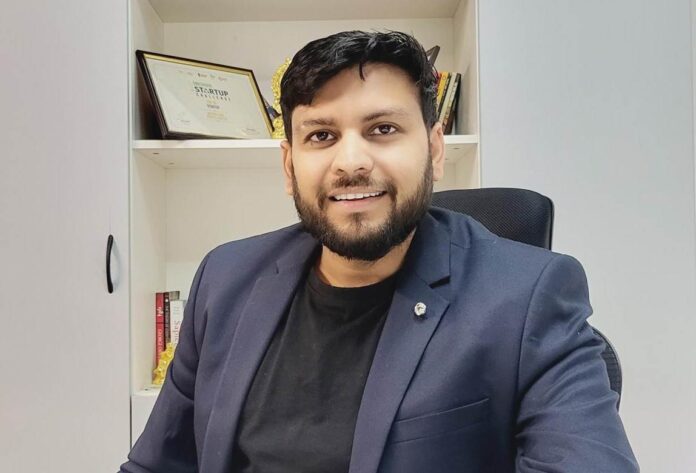

During an interview with TechGraph, Abhinav Vashistha, Co-Founder of WeVOIS Lab, discusses how it is using AI and advanced data analytics on its platform to ensure 95% operational efficiency while providing actionable insights to improve waste collection processes, optimize routes, reduce collection time, and adapt to varying conditions, ensuring a sustainable and efficient operation.
Read the complete interview:
TechGraph: Can you explain WeVOIS’s role in the waste management ecosystem in India, and how it differentiates itself from competitors in the tech-driven waste collection space?
Abhinav Vashistha: India is still in the early stages of its waste management journey, and despite 10 years of the Swachh Bharat Mission, waste collection efficiency remains below 70%. Uncollected waste is often dumped in open areas or burned, leading to severe environmental and public health challenges. Addressing these complex issues requires an organized and innovative approach, which is where WeVOIS steps in.
WeVOIS has developed a standardized operating procedure (SOP) for waste management that ensures streamlined processes from collection to disposal. Technology is crucial in executing and monitoring these SOPs. Through IoT-enabled vehicles, AI-driven route optimization, and real-time data analytics, WeVOIS ensures 100% household coverage and smooth waste management operations.
Additionally, all waste management activities can be tracked by municipal authorities in real-time via a dedicated web and mobile app, providing full transparency and control over the entire process.
What sets WeVOIS apart from its competitors is its holistic and inclusive approach. Beyond technology, WeVOIS empowers sanitation workers by providing them with the necessary tools and training to enhance their efficiency. The company also actively engages citizens through a robust platform that promotes waste segregation at the source, making the process more sustainable and community-driven.
By integrating SOP-driven processes, advanced technology, real-time tracking, worker empowerment, and community involvement, WeVOIS delivers a scalable and effective solution to India’s waste management challenges.
TechGraph: With the waste management industry becoming more competitive, how does WeVOIS leverage technology to improve operational efficiency and service delivery?
Abhinav Vashistha: Operational efficiency is the cornerstone of effective waste management, and it’s an area where many companies struggle to deliver consistent results. This is where WeVOIS excels. We have developed a standardized operating procedure (SOP) that is strictly followed by our entire team, from sanitation staff to managers, ensuring operational efficiency of over 95% daily.
In the waste management industry, even a small city generates a vast amount of data related to waste collection, processing, and disposal. WeVOIS leverages technology as a platform to not only streamline the execution of SOPs but also to provide valuable insights from the data.
Our technology-driven platform simplifies SOP adherence while offering real-time analytics that aid in decision-making and continuous improvement. This ensures that we remain agile and efficient, even as the industry becomes more competitive.
TechGraph: What is your perspective on the regulatory framework for waste management in India, and how has it influenced WeVOIS’s business strategies?
Abhinav Vashistha: The regulatory framework for waste management in India, particularly the Solid Waste Management Rules 2016, provides a comprehensive roadmap for the collection, segregation, and disposal of waste. While the regulatory framework is well-structured, the real challenge lies in executing these rules at the ground level. There is often a significant gap between municipalities and the teams developing the regulations.
WeVOIS bridges this gap by not only creating SOPs that effectively meet all the requirements of the framework but also by actively supporting municipalities to excel in waste management practices. By aligning our operational strategies with the regulations and providing hands-on assistance to local governments, WeVOIS ensures that the regulatory intent is effectively realized in everyday operations.
TechGraph: How does WeVOIS incorporate data analytics and AI in optimizing route management and collection schedules?
Abhinav Vashistha: WeVOIS utilizes AI algorithms and data analytics to analyze waste collection patterns, historical data, and real-time inputs from our IoT devices. This enables us to generate AI-optimized routes for our collection vehicles, ensuring that no household is missed and that the most efficient path is followed to minimize fuel consumption and reduce collection time. Data analytics also allows us to adjust collection schedules dynamically based on factors like waste generation trends, community behavior, and environmental conditions, ensuring efficient operations.
TechGraph: Are there any upcoming technological upgrades or new features that WeVOIS plans to introduce in the near future? How will these impact your customers and partners?
Abhinav Vashistha: Yes, WeVOIS is planning several technological upgrades in the near future. We are developing new technologies that will help us analyze citizen behavior regarding waste segregation.
By understanding how households manage their waste, we can customize our field operations to meet the specific needs of each community better. This will allow us to deploy resources more efficiently and improve overall waste collection outcomes.
Additionally, we are working on building advanced technology for waste processing, which will further enhance our ability to recycle, compost, and reduce landfill usage. These upgrades will provide real-time insights to our customers and partners, enabling more data-driven decisions, improving service delivery, and advancing sustainable practices.
TechGraph: Waste management is a critical part of the circular economy. How does WeVOIS contribute to reducing landfill waste and promoting sustainable practices within its operations?
Abhinav Vashistha: Waste management at WeVOIS operates across three critical stages: 1. Waste Collection, 2. Waste Segregation and Resource Recovery, and 3. Waste Recycling/Upcycling. Through these stages, 80% of the waste is either recycled or upcycled by the third stage, while the remaining 20% comprises inert materials, which can be used for landfilling in low-lying areas.
This approach significantly reduces the environmental impact and contributes to achieving a zero-landfill target. WeVOIS is deeply committed to promoting sustainable practices and advancing toward a zero-landfill future.
TechGraph: What role do partnerships with municipal bodies and private entities play in WeVOIS’s strategy to scale sustainable waste management solutions across India?
Abhinav Vashistha: Partnerships with municipal bodies and private entities are crucial to WeVOIS’s strategy for scaling sustainable waste management solutions. Collaborations with local governments allow us to tailor our technology to meet specific community needs, while partnerships with recycling firms and waste processing facilities bolster our operational capabilities. These relationships are pivotal in expanding our services to serve 3 million citizens daily, ensuring we continue to deliver sustainable waste management solutions across India.
TechGraph: In terms of environmental impact, how do you track and report WeVOIS’s contributions toward India’s sustainability goals, such as reducing greenhouse gas emissions and increasing recycling rates?
Abhinav Vashistha: WeVOIS utilizes advanced tracking and reporting systems to measure our environmental impact. We closely monitor key waste management metrics, including the 400,000 tons of waste we’ve managed, the amount of waste diverted from landfills, and reductions in greenhouse gas emissions.
This data is compiled into detailed reports, ensuring transparency and accountability in our operations. By actively tracking these metrics, we contribute to environmental goals, such as increasing recycling rates and minimizing waste.
WeVOIS’s efforts support the achievement of Sustainable Development Goals (SDGs) 6, 7, 8, 9, 11, 12, 13, 14, and 15, making a significant impact on environmental preservation and sustainable urban development.
TechGraph: How does WeVOIS plan to align itself with the growing trend of smart cities in India, and what opportunities do you see in this space?
Abhinav Vashistha: WeVOIS is strategically positioning itself to upgrade waste management in Indian cities and help them transition into smart cities. Our goal is to leverage advanced technologies like IoT, AI, and data analytics to make waste management more efficient, sustainable, and integrated within the broader smart city framework.
Over the next five years, we aim to create 100 zero-landfill cities, aligning with the smart city vision of sustainability, resource efficiency, and innovation. This presents significant opportunities for growth, as we collaborate with municipalities and city planners to drive smarter waste management practices across India.