



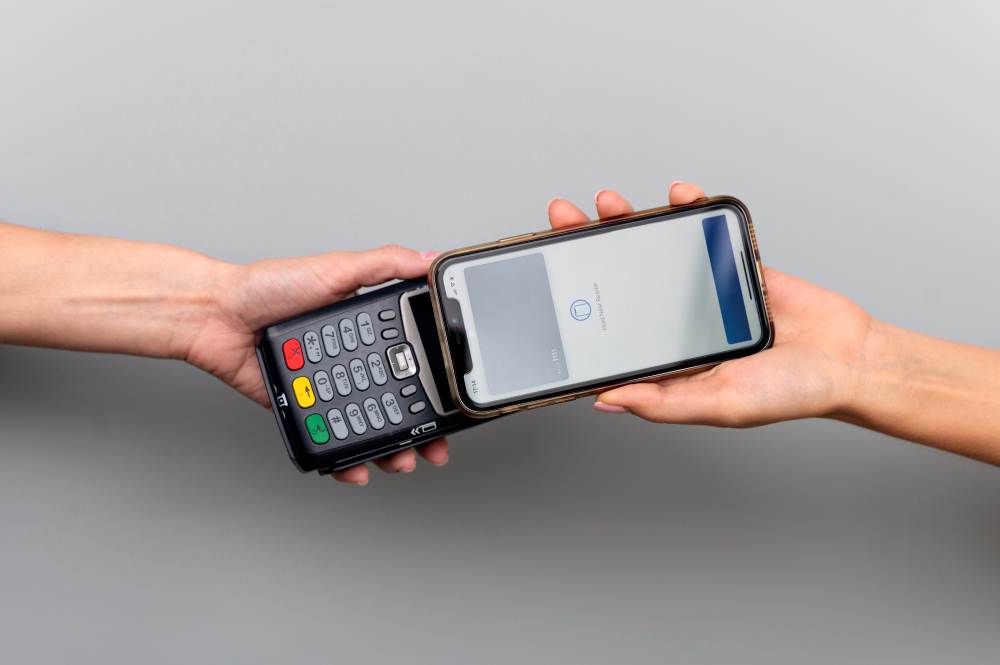
As the digital landscape continues to evolve in India, so do the expectations of Indian consumers who constantly demand faster, secure and convenient ways to manage their digital transactions. In response, the realm of digital payments has been shifting away from traditional methods that rely on One-Time Passwords (OTPs), favouring more efficient and secure alternatives such as ‘Passwordless Payments’. This transition represents a significant leap toward a future where digital payments are simpler, faster, and more secure than ever before.
Over the past few years, the explosion of e-commerce, mobile banking, and digital wallets has emphasized the need for payment systems that balance speed, security, and ease of use. One of the most exciting trends emerging is the rise of passwordless payments, especially those that do not require OTPs. This advancement holds great promise for enhancing the overall payment experience for consumers and businesses alike, offering a smoother, more secure transaction environment.

Secure & Safe: Moving Away from OTPs
The initial years of online transactions saw heavy reliance on traditional complex passwords and OTPs to furnish payments. While these measures enhanced security, they often introduced delay or friction into the user experience. Customers found themselves fumbling with forgotten passwords or dealing with delays due to OTPs, which could be late or fail to arrive. This created a pain point in the payment journey that many digital payment companies sought to address.
The solution in a cashless economy is ‘Passwordless Payment’ methodology. With technological focus on user convenience and security, advancement of biometric technologies such as Facial Recognition, Fingerprint Scanning, and even Voice Verification, users can authenticate payments without needing to recall long and complex passwords or wait for an OTP. This makes transactions faster and highly secure as biometrics are far more difficult to compromise (by hackers) than traditional authentication methods.
India’s Role in Shaping the Future of Digital Payments
India has become a key player in the digital payments revolution. As the country’s economy becomes increasingly digital, the number of users adopting mobile payments has surged. A recent report by PwC predicts that India’s digital payments market is poised to hit a staggering $10 trillion by 2026, driven by the country’s growing smartphone penetration and the availability of affordable internet services.
One of the most significant milestones in India’s digital payment journey was the launch of the Unified Payments Interface (UPI) in 2016. Developed by the National Payments Corporation of India (NPCI), UPI made digital transactions much simpler by allowing users to transfer funds or pay bills directly from their mobile phones, without the need for passwords. This has helped propel India to the forefront of the global digital payments scene.
In addition to UPI, India’s extensive use of the Aadhaar biometric identification system has laid the groundwork for the further growth of passwordless payments. By linking biometric data with banking services, the country has opened doors to advanced payment methods that allow users to authenticate transactions with a simple fingerprint or facial scan.
FAST & SECURE: Advantages of Passwordless Payments
Reduced Fraud Risk: Passwordless payment systems are less vulnerable to common types of fraud, such as account takeovers or unauthorized access. This is because biometric data and behavioral patterns are difficult to replicate, providing stronger security for financial transactions.
Enhanced User Experience: With passwordless payment methods, the user experience is smoother, faster, and more intuitive. No need to remember passwords or wait for OTPs allows users to complete their transactions in mere seconds, often with just a fingerprint or facial recognition scan.
Security: Passwordless systems reduce the risk of phishing attacks, password theft, and other cyber threats. Biometric authentication, which is inherently more difficult to replicate or steal than traditional passwords, provides an added layer of security, ensuring that only authorized individuals can complete transactions.
Convenience: Without the need for passwords or OTPs, users can make payments with a simple glance. Speed and convenience are particularly crucial for mobile payments, where consumers expect seamless experiences.
Passwordless payments are a growing reality, especially in tech-forward nations such as India. As security concerns, consumer demands for convenience, and the need for fast, seamless transactions continue to shape the digital payments landscape, passwordless systems are poised to become the norm. Indian users, with their enthusiasm for new technologies, are leading the charge, embracing these advancements with open arms.
The trend toward Passwordless Payments is a reflection of a larger cultural preference toward a more connected, more secure, and more user-friendly digital cashless economy. Embracing the new norm of ‘No OTPs’, financial future indeed seems bright.
