


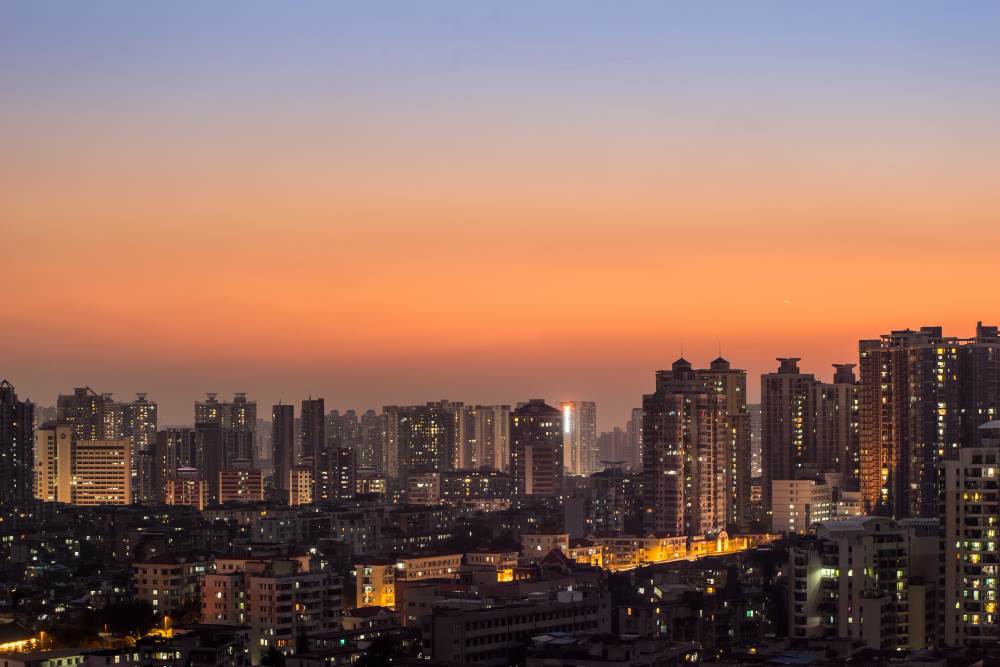
India stands at an important moment in its urban journey. The country’s largest cities continue to draw investment and talent, yet the most meaningful transformation is taking place in the emerging towns that sit beyond the traditional metropolitan map. These locations are experiencing a surge in demand for better housing, reliable infrastructure, and organised commercial spaces. Digital innovation is strengthening this shift and guiding a new form of urban development that is more balanced, more sustainable, and more humane in its intent.
Smaller cities now benefit from strong digital connectivity, expanding fibre networks, and wider access to government-led digital services. This digital foundation is enabling both public and private institutions to operate with greater efficiency. As a result, real estate development is no longer limited to constructing buildings. It has evolved into the creation of integrated ecosystems where technology enhances daily life, reduces environmental stress, and supports long-term economic vitality.

Early stages of technology adoption at the city level have focused on essential systems such as energy and utilities. Large-scale solar installations, supported by digital monitoring tools that track production and consumption, are reducing dependence on conventional power grids, lowering long-term operating costs, and building resilience into urban infrastructure. These efforts also reflect a growing recognition that responsible use of natural resources must sit at the heart of sustainable urban growth.
Safety, data, and mobility form the next layer of this transformation. Cities are deploying expanding surveillance networks to study movement patterns, reduce blind spots, and improve public safety without compromising everyday comfort. Smart parking systems and traffic-management technologies are being introduced to streamline vehicle flow, improve accessibility, and minimise congestion in busy public zones.
In parallel, many cities are evaluating innovative approaches to water security. Air-to-water systems that convert atmospheric moisture into potable water are being explored as a safeguard against erratic rainfall patterns and stressed groundwater reserves. Smart water-conservation platforms that monitor usage, track reuse, and promote efficient distribution are also gaining attention as part of a long-term sustainability strategy.
Urban agriculture is also emerging as another important frontier for digitally enabled sustainability. Community gardens supported by sensor-based monitoring of soil health, moisture levels, and nutrient cycles are being considered as tools to promote sustainable cultivation while creating livelihood and learning opportunities, particularly for women and youth. In time, hydroponic methods may further expand local food production using significantly less land and water.
Individually, these interventions may appear incremental, but together they are reshaping the identity of India’s emerging cities. Technology becomes truly valuable when it enhances everyday experiences for residents, workers, and visitors alike. Cities that use energy efficiently, manage water responsibly, and maintain safety without becoming restrictive are building a deeper sense of confidence, participation, and shared ownership among the communities they serve.
Digital innovation is at the heart of all this, allowing these cities to leapfrog the structural limitations that once held them back. For instance, smart mobility systems improve public transport coordination. Online building permissions reduce bureaucratic delays. Intelligent lighting systems save energy while making public areas safer. Affordable digital tools allow smaller municipalities to track drainage, stormwater flow, and waste collection. These interventions may appear technical, yet they generate a profound impact on quality of life.
The vision for emerging cities is becoming increasingly clear: to keep investing in technologies that strengthen long-term sustainability, elevate everyday living, and reduce environmental impact at an urban scale. This approach is taking shape in a steady, deliberate manner, rooted in respect for natural systems, sensitivity to community needs, and the belief that progress is most meaningful when it benefits a wide cross-section of society. With thoughtful digital integration, the significant potential of India’s growing towns and cities is steadily being translated into tangible improvements in daily urban life.
Real estate developers must understand that technology cannot be an isolated feature. It must work in harmony with landscape design, cultural practices, and the natural environment. A township in a smaller city should be designed with an awareness of local traditions, seasonal patterns, and community relationships. When technology strengthens these bonds, it creates trust. When it works against them, it creates resistance. The real test of innovation is whether it allows a city to grow without losing its inner character.
As the next decade unfolds, emerging cities will continue to become strong centers of growth. Many families now prefer the comfort and familiarity of their hometowns, where costs are manageable and daily life retains a peaceful rhythm. Businesses also see value in these locations due to lower overheads and better employee retention. The combination of technology-driven planning and culturally rooted living is setting the stage for a new era of Indian urban development.