


spot_img

FHRAI Flags Concerns Over Zomato and Swiggy’s Private Label Food Delivery Business

Date:

Trending

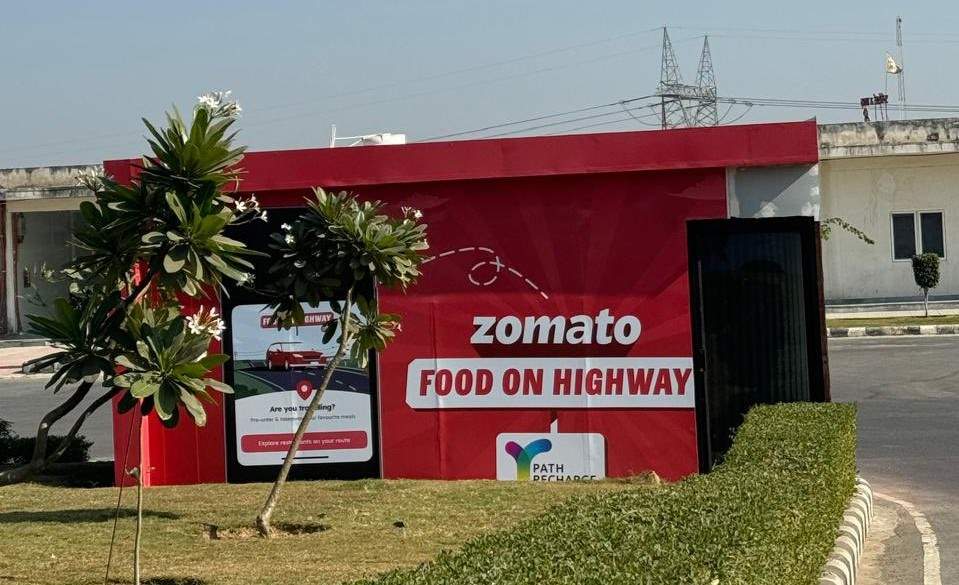
The Federation of Hotel & Restaurant Associations of India (FHRAI), has expressed serious concerns over Zomato and Swiggy’s recent move to enter the private-label food delivery business. The association points out several issues, including unfair competition, misuse of restaurant data, and potential risks to food safety.

- Advertisement -

Zomato and Swiggy are now using their market dominance to directly compete with the very businesses they were meant to support. FHRAI is set to meet with the Ministry of Commerce to discuss these concerns and push for regulatory action to ensure fair practices in the food service industry.

The aim of raising this issue is to address the growing concerns about the misuse of restaurant data by food delivery platforms and the unfair competitive advantage these platforms now hold over restaurants. By leveraging data from restaurants, such as customer preferences and sales trends, Zomato and Swiggy can create personalized deals that directly impact the restaurant’s business. This not only threatens the livelihoods of small and medium-sized restaurants but also raises questions about data privacy and consent.

- Advertisement -

Speaking on the development, Pradeep Shetty, Vice President of FHRAI, said, “We are meeting with the Commerce Ministry very soon and have requested an expedited appointment to discuss this serious issue. The actions of platforms like Zomato and Swiggy represent a direct violation of established e-commerce regulations. These companies were originally designed to function as neutral marketplace platforms, connecting consumers with restaurants, not as direct competitors. By introducing and selling their own food products, they undermine the very essence of a marketplace model, creating an uneven playing field that disproportionately harms restaurants.”

“What is particularly alarming is the use of years’ worth of proprietary data collected from restaurants on customer preferences, order history, and sales trends to develop and promote their own branded products. Restaurants are excluded from access to this data, making it even more challenging for them to compete. This creates a dangerous environment for small and medium-sized enterprises and raises significant ethical and legal concerns around the misuse of sensitive data,” Shetty said.

- Advertisement -

“Additionally, there are serious questions surrounding the food safety standards applied to these private label products. While restaurants are subject to stringent safety regulations, there is no transparency regarding whether the same standards are being enforced for products sold by these platforms. The lack of fairness and a level playing field exacerbates the challenges faced by our members, making it difficult for them to survive, let alone thrive, in this competitive landscape. This not only risks consumer trust but also threatens the reputation of the entire restaurant industry.” he further added.

Zomato and Swiggy, which initially operated as platforms connecting restaurants with customers, have now ventured into the quick commerce space by creating their own private-label food products. These platforms use restaurant data to create personalized offers and discounts, which in turn puts restaurants at a disadvantage, as they are essentially competing with their own information. The lack of clear regulations around the production and sale of these private-label products raises concerns about the safety and quality of food being delivered to consumers.

With this move, the platforms are now not only controlling the distribution of food but also the creation and sale of it, which could lead to monopolistic practices. FHRAI stresses that the food service industry needs to be regulated in a way that ensures a level playing field for all stakeholders whether they are restaurants, food delivery platforms, or consumers. These platforms must operate transparently, ensure proper consent for the use of restaurant data, and comply with the food safety standards expected from all food providers.

FHRAI aims to push for the establishment of clear and enforceable guidelines to protect restaurant data and ensure that private-label food products sold by platforms like Zomato and Swiggy adhere to the same food safety and quality standards required for restaurant food.

FHRAI seeks to ensure a fair, transparent, and competitive environment in the food service industry, where both restaurants and consumers are protected. The association urges regulators to take swift action to address the growing concerns related to data misuse, unfair competition, and food safety in the wake of these new developments in the food delivery market.

THE SNAPSHOTS

Sign up to get quick snaps of everyday happening, directly in your inbox.

We don’t spam! Read our privacy policy for more info.

- Advertisement -
Krishna Mali
Krishna Mali
Founder & Group Editor of TechGraph.
Advertisement

More Latest Stories

More Articles

Why Global Manufacturing Leaders Are Rethinking the Role of Packaging Automation

In the global manufacturing landscape, packaging has quietly evolved from a backend operational activity into a strategic business driver. For companies with turnover above...

India’s AI Education Push: Redrob COO Kartikey Handa on Building Open AI Models for 300 Million Students

Speaking with TechGraph, Kartikey Handa, Chief Operating Officer and Head of India Operations at Redrob, discussed how India’s AI adoption has been constrained less by a lack of interest and more by affordability barriers created by global pricing models, and how the company is...

Dr Kamal Chhabra on KC GlobEd’s Approach to Global Finance and Accounting Education

Speaking with TechGraph, Dr Kamal Chhabra, Founder and CEO of KC GlobEd, discussed how...

Rethinking Medical Training: MedLern Co-founder Deepak Sharma on Digital Resuscitation Learning and Patient Safety

Speaking with TechGraph, Deepak Sharma, Co-founder and CEO of MedLern, discussed how traditional instructor-led...

India’s AIF Shift: Steptrade Capital’s Kresha Gupta on the Evolution of Alternative Investments in India

Speaking with TechGraph, Kresha Gupta, Director and Fund Manager at Steptrade Capital, discussed how...

Vimal Singh on ReadyAssist’s Role in Modernising Roadside Assistance in India

Speaking with TechGraph, Vimal Singh, Founder of ReadyAssist, discussed how traditional roadside assistance models...

The Cost of Blind Trust: How Inadequate Verification Is Fueling India’s Data Scam Epidemic

India’s digital economy is expanding faster than ever. From gig platforms and financial services...

The Rise of Emotionally Intelligent AI: What It Means for Customer Experience

A shift is transpiring across customer touchpoints as digital systems start to understand the...

Home Improvements That Benefit You Today and Boost Value Tomorrow

When it comes to home improvements, the best upgrades are those that provide immediate enjoyment and long-term returns. Whether you're looking to increase your...

How Autonomous Infrastructure Will Shape the Future of Enterprise Technology in 2026

Autonomous infrastructure is moving from imagination to inevitability. With its strengths in anticipation, analysis,...

NVIDIA EVP Debora Shoquist Offloads 80,000 Shares for About $14.77 Mn

NVIDIA Corp. (NASDAQ: NVDA) Executive Vice President of Operations, Debora Shoquist has sold 80,000...

Why Zero Code Exposure Is the Future of Trust in AI

AI coding assistants have quickly become indispensable for developers, promising faster deployment, cleaner code,...

AI Infrastructure Wars: Do Nvidia, Amazon, and Microsoft Still Have Room to Run?

Indian investors are at a pivotal moment. While our domestic markets have seen meteoric...

Inside Channel Economy: Almonds AI CEO Abhinav Jain on Fixing the Blind Spot in India’s Distribution Ecosystem

Speaking with TechGraph, Abhinav Jain, Co-Founder and CEO of Almonds AI, outlined how India’s MarTech ecosystem has focused heavily on consumer-facing intelligence while the...

Kuwait Raises Income Tax Penalty Against IndiGo Operator, Company Plans Legal Action

IndiGo Airline's parent company, InterGlobe Aviation Limited disclosed it received an income tax demand and penalty order of KWD 448,793 (INR 13.16 crore) from Kuwait’s Department of Inspection and Tax Claims for assessment years 2021–22 to 2024–25. In a stock exchange filing, the company said,...

Reimagining Live Sports Coverage: wTVision’s Divyajot Ahluwalia on How Robot Dog Champak Transformed IPL Broadcasting

Speaking with TechGraph, Divyajot Ahluwalia, Founder & Director of wTVision Solutions Pvt. Ltd., discussed...

Supreme Court Allows Texas to Use New Congressional Map for 2026 Midterms

The U.S. Supreme Court has allowed Texas to move ahead with its newly redrawn...

Understanding What Makes Sunscreen Truly Effective

Many people pick a sunscreen merely based on its SPF, thus they think that...

Why NoSQL Databases Are the Future for Tech Startups

In today’s digital-first economy, tech startups continue to dominate the startup landscape. A startup...

Delhi IGI Airport Revamped Terminal 2 with Advanced Baggage screening systems

Delhi’s Indira Gandhi International Airport (IGI) has reopened its reconstructed Terminal 2, inaugurated by...

The Future of Health Philanthropy: IGF India CEO Sundeep Talwar on Making Preventive Care Accessible for Underserved Communities

Speaking with TechGraph, Sundeep Talwar, CEO of IGF India, discussed the foundation’s decade-long journey...

The Rise of Cyber Cartels: How the Dark Web Fuels Digital Extortion?

In 2025, cybercrime has evolved beyond individual hackers or little ransomware criminal gangs into...

AI Research Startup Redrob Draws $10 Mn In Series A Funding Led By Korea Investment Partners

AI research startup Redrob has secured $10 million in its Series A round led...

Norovex Review: Inside the Trading Platform Gaining Momentum

The online trading industry has entered one of its most dynamic periods in years....

Why Zero Code Exposure Is the Future of Trust in AI

AI coding assistants have quickly become indispensable for developers, promising faster deployment, cleaner code,...

Beyond Instant Approvals: PayMe CEO Mahesh Shukla on Building Compliant Lending for India’s New Credit Economy

Speaking with TechGraph, Mahesh Shukla, Founder and CEO of PayMe, discussed how India’s digital...

Meta Declares Quarterly Cash Dividend Of $0.525 Per Share

Facebook parent company, Meta Platforms Inc. (NASDAQ:META) said its board of directors has declared...

The Evolving Classroom: Venkateshwar International School’s Pooja Sharma on Changing Role of Schools in Delhi’s CBSE Ecosystem

Speaking with TechGraph, Pooja Sharma, Vice Principal of Venkateshwar International School (VIS), discussed how...

Digital Generics: How AI is Redefining the Future of Affordable Medicine

It was with pride that global headlines described India as the world's pharmacy, supplying...

AI Infrastructure Wars: Do Nvidia, Amazon, and Microsoft Still Have Room to Run?

Indian investors are at a pivotal moment. While our domestic markets have seen meteoric...

AI Research Startup Redrob Draws $10 Mn In Series A Funding Led By Korea Investment Partners

AI research startup Redrob has secured $10 million in its Series A round led...

The Future Employability Equation: PrepInsta’s Manish Agarwal on How AI Is Reshaping Student Readiness for Hiring in India

Speaking with TechGraph, Manish Agarwal, Co-Founder of PrepInsta, discussed how the increasing adoption of...

Norovex Review: Inside the Trading Platform Gaining Momentum

The online trading industry has entered one of its most dynamic periods in years....