


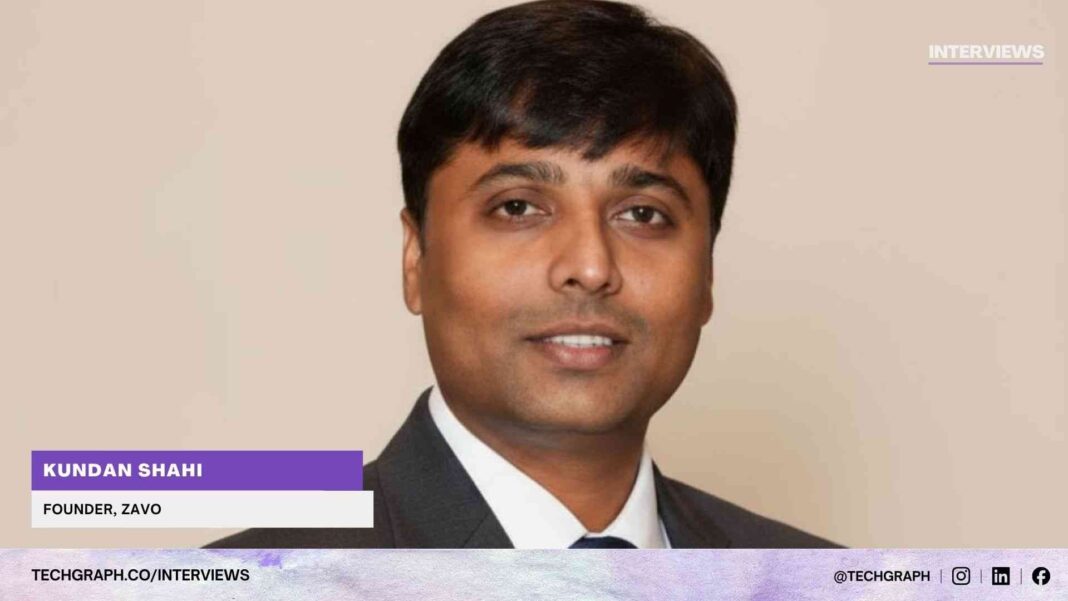
Speaking with TechGraph, Kundan Shahi, Founder of Zavo, discussed how EMI repayment in India is often treated as a transactional exercise centred on dates, penalties, and amounts, while borrowers experience it as a recurring emotional burden, and how Zavo takes a different approach by building a community-driven experience that treats repayment as an ongoing journey rather than a one-time transaction.
Shahi also discussed how Zavo combines incentives, behavioral insights, and support tools, such as Rescue and Restructure, to help borrowers stay consistent without pressure, shaping a repayment journey where responsibility is reinforced over time while aligning with a broader shift towards more supportive and sustainable credit behavior.

Read the interview in detail:
TechGraph: Zavo positions itself as a community of EMI payers rather than just another repayment platform. What convinced you that the future of consumer lending lies in collective motivation and shared discipline instead of standalone repayment utilities?
Kundan Shahi: Most people think of EMIs as a numbers problem. Amount, interest rate, due date. But the moment you speak to real borrowers, that illusion breaks. EMIs are emotional. Every month revolves around the same three dates. Salary day. EMI day. Debit day. And between those dates, people carry a constant background of stress.
What shaped Zavo was not a market insight or a report. It was listening to people. People who missed one payment immediately felt like they had failed. People who avoided unknown numbers because they did not want to explain themselves. People who felt embarrassed asking for help, even when they genuinely needed it.
Debt isolates people. Everyone assumes they are the only ones struggling. And when something feels private and shameful, discipline becomes harder, not easier.
A community changes that dynamic. When you see others facing similar situations, paying through tough months, restructuring when needed, and still moving forward, the weight feels lighter. You stop feeling judged. You stop feeling alone.
That is why Zavo is not built like a cold utility that only reminds you to pay. It is designed like a shared journey. A place where discipline is supported, not demanded. Where progress feels collective. Where repayment stops feeling like a lonely battle, you are fighting quietly every month.
TechGraph: Fintech history shows that cashbacks and incentives often trigger short-lived excitement rather than long-term repayment discipline. What behaviour or insight from Indian borrowers convinced Zavo that rewards in the repayment journey can deliver sustained results rather than a temporary spike in engagement?
Kundan Shahi: Most reward systems fail because they try to manufacture behavior. They encourage people to do things they would not otherwise do. Repayment is very different.
In India, paying EMIs is one of the most deeply ingrained financial habits. Families adjust their lifestyles around it. People prioritise it even before discretionary spending. The intent to repay already exists.
What we noticed was not a lack of discipline. It was a lack of recognition. People do something hard every single month, and nobody acknowledges it. There is no emotional closure. No small win. Just a debit message and silence.
When we introduced light rewards, something interesting happened. People did not become reckless. They became more consistent. Streaks mattered. Small acknowledgements mattered. Not because of the monetary value, but because someone noticed their effort.
The reward did not create the habit. The habit already existed. The reward simply supported it emotionally.
That is why our incentives work. They do not replace responsibility. They walk alongside it. Repayment remains mandatory. Encouragement makes it sustainable over the long run.
TechGraph: Rescue and Restructure allow borrowers to seek support before slipping into default. How do you differentiate between genuine distress and casual delay without making users feel policed or shamed in the process?
Kundan Shahi: One of the biggest flaws in traditional lending is treating every delay as a problem. In reality, delays have context. Some people are under genuine financial stress. Some are waiting for a delayed salary. Some had unexpected medical expenses. Some are simply disorganized that month.
If you label all of them as defaulters, you immediately introduce shame. And shame shuts people down. It makes them avoid communication. It pushes them closer to default.
Our approach is deliberately human. We do not interrogate users. We do not ask them to justify themselves. Instead, we observe behavior over time.
Intent shows up early. How users engage with reminders. Whether they open notifications. How their payment patterns evolve. How their obligations shift across months. How they behave close to due dates.
These signals help us understand whether someone needs support or just a nudge. So the experience stays respectful.
If someone is genuinely struggling, they see options like partial pay, restructure, or settlement early enough to act.
If someone is just late, they receive soft reminders, not pressure.
The guiding idea is simple. Do not judge the delay. Understand the person behind it.
TechGraph: Borrowers are already facing emotional pressure around debt, and incentive-led repayment models can influence behavior in unexpected ways. How do you design motivation that encourages responsibility without leading to unhealthy patterns such as chasing rewards over financial planning?
Kundan Shahi: We are very clear internally about one thing. Zavo is not a game. And rewards are not the goal.
The EMI always comes first. The reward is only an acknowledgment. To keep behavior healthy, we put strong guardrails in place.
There are no rewards for overpaying just to earn more. There are no incentives that push people to stretch themselves financially. There are no designs that encourage spending or taking on more credit.
Our nudges are designed to make people pause and think. Does this payment fit your current month? Are your obligations balanced? Do you need support this time?
We reward consistency. We reward responsibility. We reward showing up, even in tough months.
By doing this, motivation becomes a stabilizer. It helps people stick to their plan instead of drifting into impulsive decisions. That is the balance we protect very carefully.
TechGraph: Zavo Coins and the interactive repayment journey are meant to keep borrowers engaged while staying on track with their dues. How do you safeguard against excitement becoming a distraction and instead ensure that it builds lasting credit discipline and healthier repayment habits?
Kundan Shahi: Engagement only works if it strengthens the core habit. If it distracts it, it does more harm than good. That is why Zavo Coins are intentionally limited.
Coins are earned only through meaningful actions like paying EMIs on time or maintaining streaks. There are no shortcuts. No farming loops. No random activity is rewarded. Every interaction is designed to lead back to one idea. Consistency.
The design constantly reinforces why the habit matters. Month after month. Not just for rewards, but for peace of mind, stability, and credit health. The excitement is a layer on top. It makes the journey feel lighter. But it is never the destination.
The real outcome we care about is reduced anxiety, fewer missed payments, and a stronger sense of control over one’s finances. If a feature does not support that, it does not make it into the product.
TechGraph: India’s credit landscape is moving through a transition with BNPL usage under scrutiny and lenders tightening risk filters. How does Zavo remain relevant in a scenario where borrowers begin cutting down on discretionary credit or regulators push for stricter repayment oversight?
Kundan Shahi: A tighter credit environment actually strengthens Zavo’s relevance. We do not grow when people take more loans. We grow when people manage the loans they already have better.
When credit becomes harder to access, repayment discipline becomes critical. Borrowers want visibility and support. Lenders want predictability. Regulators want fewer defaults and healthier behaviour. Zavo naturally sits at the intersection of all three.
Whether BNPL expands or contracts, the repayment journey does not disappear. In fact, it has become more important. People need tools that help them stay on track, restructure early, and avoid slipping into stress. That is where we operate.
TechGraph: India’s credit landscape is moving through a transition with BNPL usage under scrutiny and lenders tightening risk filters. How does Zavo remain relevant in a scenario where borrowers begin cutting down on discretionary credit or regulators push for stricter repayment oversight?
Kundan Shahi: India has built excellent systems for disbursing loans. But once the money is given, the borrower is largely left on their own for years. That long repayment phase has almost no structured support. That gap is what we are solving.
Borrowers need early warning signals before things go wrong. They need simple ways to restructure or seek relief before default. They need one clear view of all their EMIs in one place. They need guidance during tough months, not just pressure after failure. We think of this as the Repayment Operating System. The missing layer between lenders and borrowers.
We are building toward that future through three clear directions. Predictive models that identify stress early, not after default.
Tools like Rescue and Protect that give borrowers options instead of ultimatums. Engagement systems that help maintain discipline month after month.
The shift we believe in is straightforward. Move from lend and collect to lend and support. That is the future of responsible credit. And that is the future Zavo is building.