


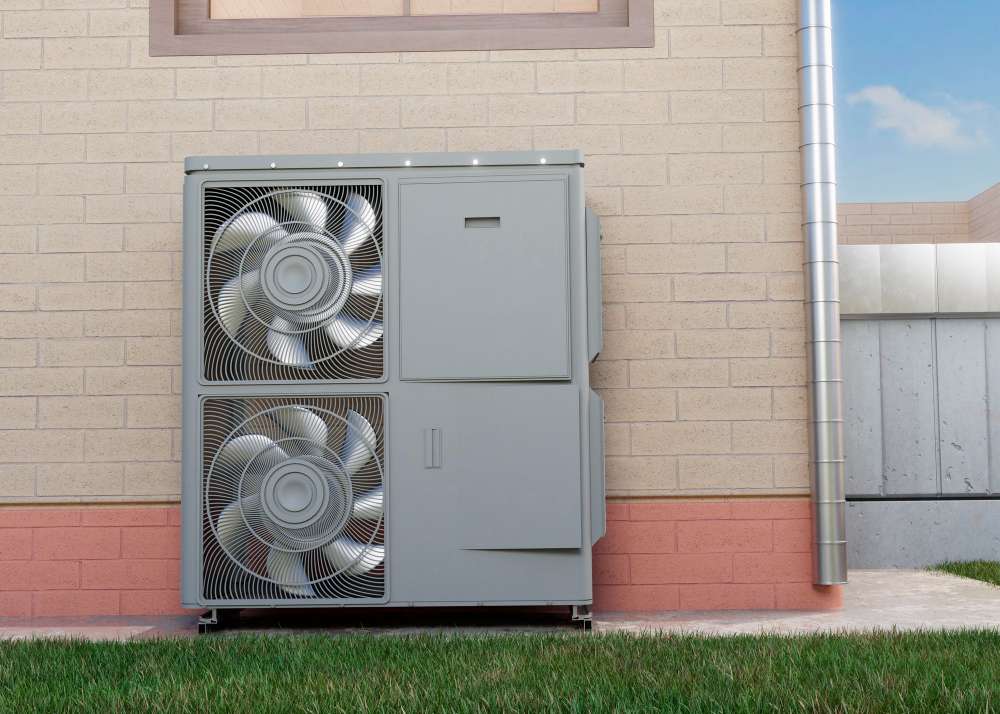
Modern technology has revolutionized many aspects of our daily lives, and residential HVAC systems are no exception. With innovations designed to boost efficiency and performance, homeowners now enjoy more comfortable living environments. This drive for improved functionality is critical, as almost 88% of U.S. households utilize air conditioning, according to Global Market Insights.
The integration of cutting-edge technologies, such as smart thermostats and advanced HVAC systems, plays a pivotal role in enhancing home comfort. These innovations not only adjust temperatures according to user preferences but also optimize energy consumption. As a result, homeowners can significantly reduce their energy bills while maintaining a pleasant indoor climate.

Additionally, the introduction of smart technology in residential heating and cooling systems enables seamless integration with home automation systems. This interconnectivity allows users to control their HVAC systems remotely, adding a layer of convenience and adaptability in managing home environments. Such tech-driven solutions are at the forefront of modernizing traditional systems to meet contemporary needs.
Technological Advancements in Energy Efficiency
Energy efficiency is a primary concern for most homeowners, given its impact on both the environment and household expenses. Modern technology addresses these concerns by optimizing HVAC system performance. Devices like smart thermostats learn user behavior patterns, adjusting heating and cooling schedules to reduce energy wastage.
In addition to automation, improvements in HVAC system components play a significant role in enhancing energy efficiency. Modern compressors, enhanced fans, and variable-speed motors contribute to more efficient operation. The resulting decrease in energy consumption aligns with global efforts to minimize carbon footprints, highlighting the role of technology in environmental sustainability.
Moreover, the implementation of technology in HVAC systems does not stop at hardware improvements. Software advancements also contribute to efficiency gains. For instance, predictive maintenance algorithms analyze system data to preemptively address performance issues, preventing potential breakdowns and maintaining system efficiency.
Performance Enhancement Through Smart Diagnostics
Diagnostic technology is another key area where modern advancements have significantly enhanced HVAC system performance. By continuously monitoring system operations, these tech solutions provide insights into potential inefficiencies or malfunctions. This proactive maintenance approach ensures the reliable performance of HVAC systems over time.
Innovative HVAC systems utilize sensors and IoT devices to monitor key performance indicators such as temperature, humidity, and air quality. When irregularities are detected, alerts are sent to homeowners or service technicians, enabling timely interventions. This continuous oversight ensures that systems operate at optimum performance levels.
Furthermore, smart diagnostics contribute to extended system lifespans. By identifying issues early, these technologies prevent major failures and costly repairs. According to Service Titan, furnaces can last up to 15 years when properly maintained, underscoring the importance of regular maintenance supported by modern tech solutions.
Maintaining Optimum Performance with Regular Maintenance
Proper maintenance is vital for keeping HVAC systems running efficiently, and technology has made it easier for homeowners to keep up with these requirements. Regular filter changes are crucial, as suggested by Energy Star, which recommends changing filters every 90 days. Advances in technology have facilitated the monitoring and reminders for such maintenance tasks.
Modern HVAC systems often include environmental sensors and performance trackers that provide insights into system health. These tools assist homeowners in scheduling timely maintenance activities, ensuring systems remain in peak condition. This level of foresight and preparedness reduces the frequency of unexpected breakdowns.
Advances in communication tech also connect HVAC systems directly with service providers, enabling real-time maintenance without homeowner intervention. This seamless connection means homeowners need not worry about missing critical maintenance tasks, ensuring systems operate efficiently while extending their operational life.
Technology continues to impact profoundly the functionality and efficiency of residential HVAC systems. With advancements in smart thermostats, energy-efficient components, and diagnostic tools, modern systems offer enhanced performance and reliability. Homeowners benefit not only through improved comfort but also greater energy savings.
Furthermore, the integration of these technological solutions aligns with the broader trend of home automation, providing further convenience and adaptability. As technological innovations continue to evolve, the future of residential climate control promises even greater efficiency and performance enhancements. This ongoing evolution highlights the importance of embracing technology to optimize home living conditions.
From energy management to system maintenance, technology ensures that HVAC systems meet modern demands while contributing positively to environmental goals. With continuous improvements in tech, these systems are well poised to serve efficiently, effectively, and sustainably for years to come.