



India’s education sector leaders have responded to the Union Budget 2025-26 with optimism and concern. While the budget introduces key measures such as 50,000 new Atal Tinkering Labs, AI-focused Centres of Excellence, and broadband expansion in government schools, some experts argue that the ₹1.28 lakh crore allocation may not be sufficient to meet growing educational demands.
Read the reactions from the education sector in detail:

Kanak Gupta, Group Director, MR Jaipuria Group
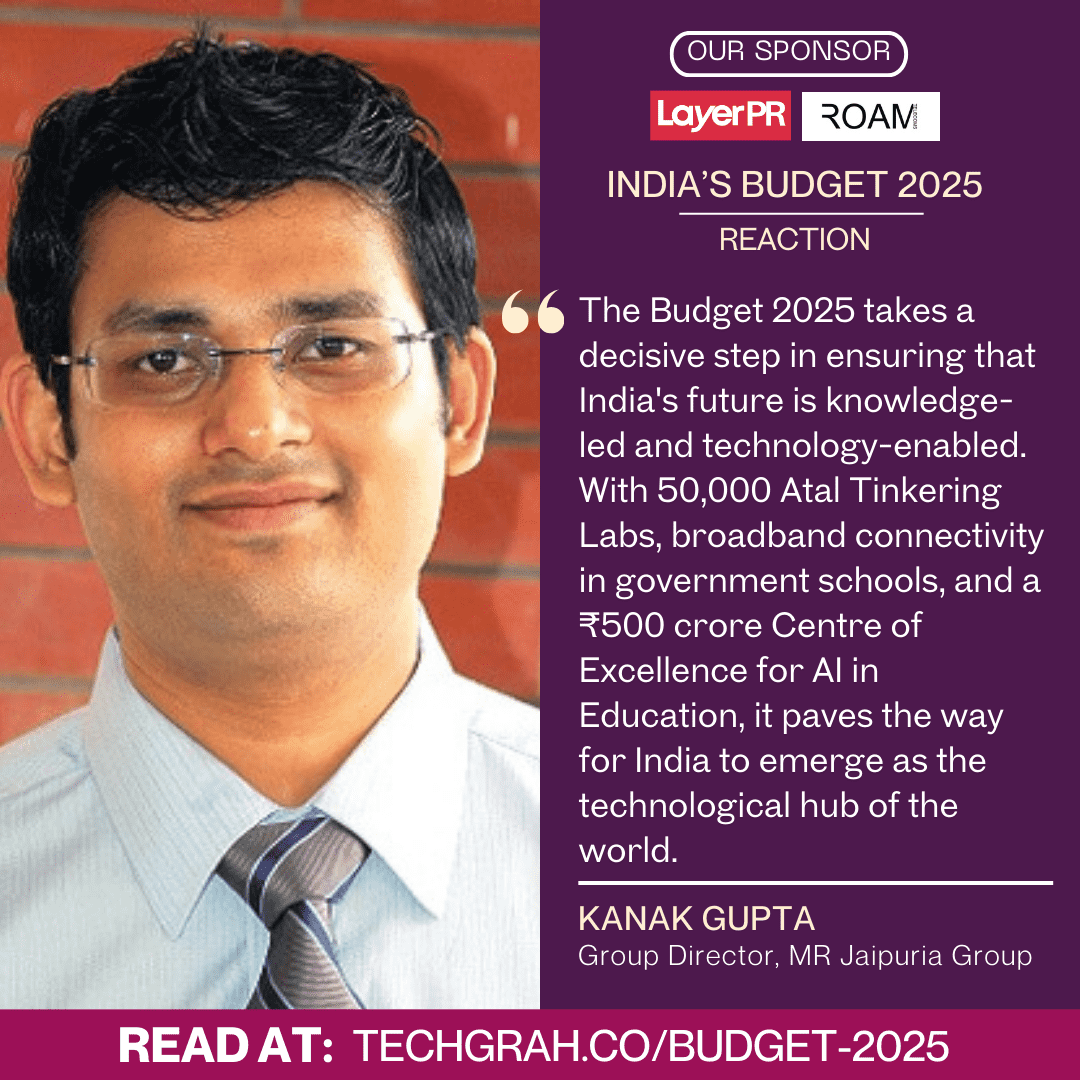
The Budget 2025 takes a decisive step in ensuring that India’s future is knowledge-led and technology-enabled. With 50,000 Atal Tinkering Labs, broadband connectivity in government schools, and a ₹500 crore Centre of Excellence for AI in Education, it paves the way for India to emerge as the technological hub of the world.
Moreover, the focus on skilling and providing digital Indian language books for schools and higher education reflects a commitment to inclusivity, recognizing the diverse linguistic landscape of our country. By making quality education accessible in various Indian languages, the government is ensuring that students from different backgrounds can have uniform learning experiences.
Kunal Vasudeva, Co-founder & Managing Director, Indian School of Hospitality
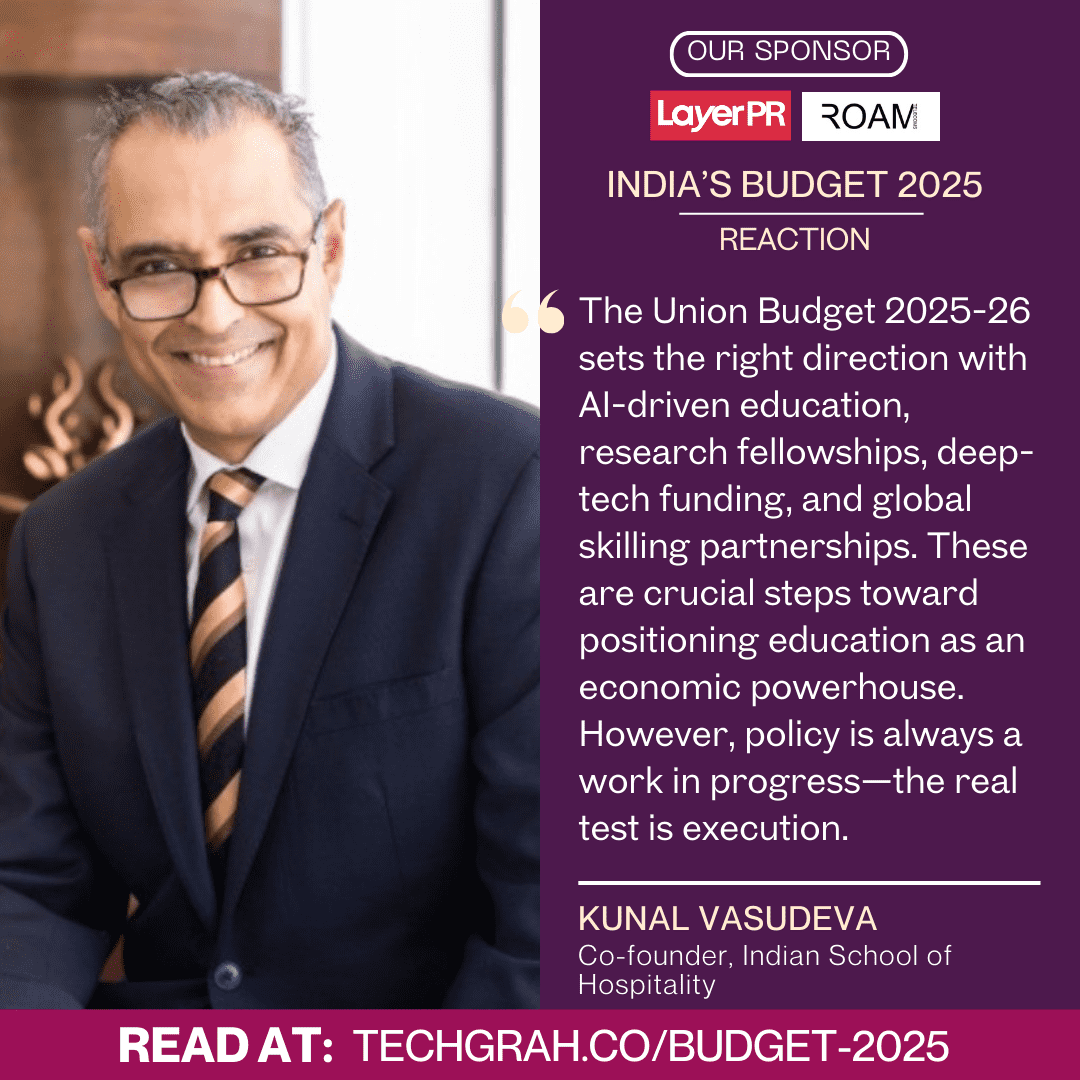
The Union Budget 2025-26 sets the right direction with AI-driven education, research fellowships, deep-tech funding, and global skilling partnerships. These are crucial steps toward positioning education as an economic powerhouse. However, policy is always a work in progress—the real test is execution. If India is to leapfrog in education the way it did in digitization, we need a 10X mindset in implementation, institutional accountability, and adaptability.
The focus must now shift to outcome-driven reforms—aligning research with national priorities, empowering universities to lead innovation, and embedding competency-building over mere skilling. This decade will define India’s global standing. The bold policy must now meet bold execution.
Ravichandran V, Chairperson and trustee, eVidyaloka
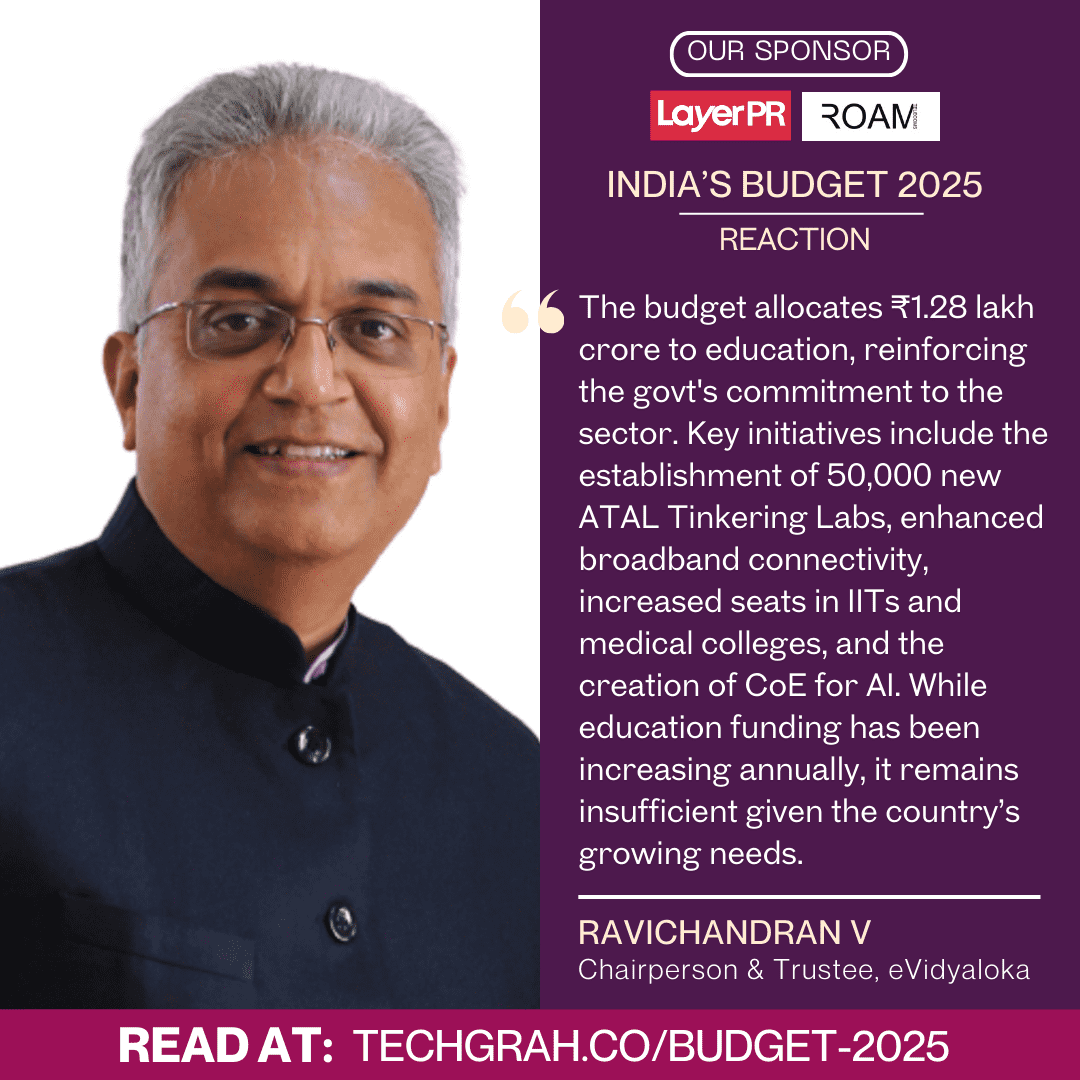
The budget allocates ₹1.28 lakh crore to education, reinforcing the government’s commitment to the sector. Key initiatives include the establishment of 50,000 new ATAL Tinkering Labs, enhanced broadband connectivity, increased seats in IITs and medical colleges, and the creation of Centres of Excellence for AI. While education funding has been increasing annually, it remains insufficient given the country’s growing needs.
Nipun Goenka, Managing Director, GD Goenka Group

The Union Budget’s focus on education, skill development, and research underscores a commitment to nurturing lifelong learners who can thrive in an evolving world. The establishment of the National Centres of Excellence for Skilling, the expansion of IITs, and the Centre of Excellence for AI in Education reflect an investment in future-ready competencies that will shape India’s global standing as a knowledge hub.
The addition of 50,000 Atal Tinkering Labs and broadband connectivity in government schools is a step toward democratizing access to innovation, ensuring every child—regardless of background—has the opportunity to contribute to the nation’s growth. The expansion of medical education and the National Institute of Food Technology in Bihar will not only drive economic growth but also reinforce a culture of social responsibility.
Beyond academics, initiatives like the Saksham Anganwadi and Poshan 2.0 reflect a much-needed focus on holistic development, ensuring that children, mothers, and adolescents receive the nutrition and support essential for learning and growth. The Bhasha Pustak Scheme, with its emphasis on digital access to Indian language books, strengthens inclusive learning, allowing students to engage deeply with knowledge in their native languages.
At GD Goenka, we remain committed to complementing these national efforts by empowering a generation that is not just prepared for the future but capable of shaping it.
Fr. Dr. K S Casimir, Director, XLRI Delhi NCR

With the announcement of the Education Budget for 2025, we witness a pivotal moment in our nation’s commitment to shaping a brighter and more equitable future. This budget reflects an understanding that education is the cornerstone of progress as it not only enhances infrastructure and digital learning but also invests in ensuring quality learning for all.
Notably, the establishment of a ₹500 crore Centre of Excellence for AI in Education is a commendable initiative. By nurturing intellectual capital, we are empowering individuals with the skills to innovate, solve problems, and drive sustainable growth, building the foundation for a prosperous and inclusive nation.
Dr. Prof Anand Achari, Principal, VES College of Architecture
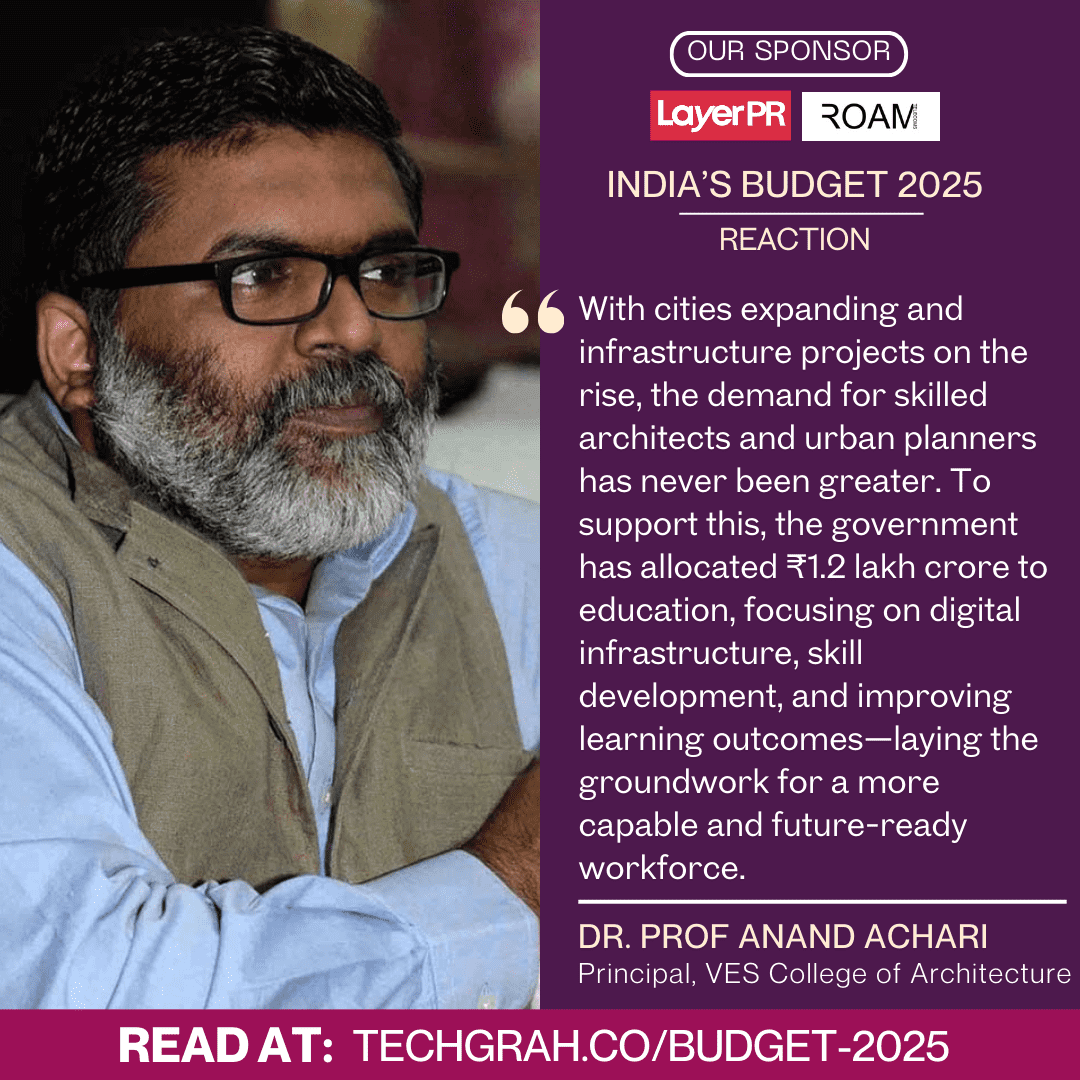
The recent budget takes a significant step toward shaping the future of architecture and design in India. With cities expanding and infrastructure projects on the rise, the demand for skilled architects and urban planners has never been greater. To support this, the government has allocated ₹1.2 lakh crore to education, focusing on digital infrastructure, skill development, and improving learning outcomes—laying the groundwork for a more capable and future-ready workforce.
One of the standout aspects of this budget is its emphasis on bridging the gap between academia and industry. Encouraging hands-on, experiential learning, ensures that students graduate with the skills needed to thrive in the real world. Increased investment in higher education, especially in research and development, aligns with the broader vision of “Viksit Bharat,” driving sustainable growth through education. The push for AI-driven learning, skilling, and entrepreneurship will further empower students, helping them navigate the evolving world of architecture and urban development with confidence.
Dr Anunaya Chaubey, Provost, Anant National University
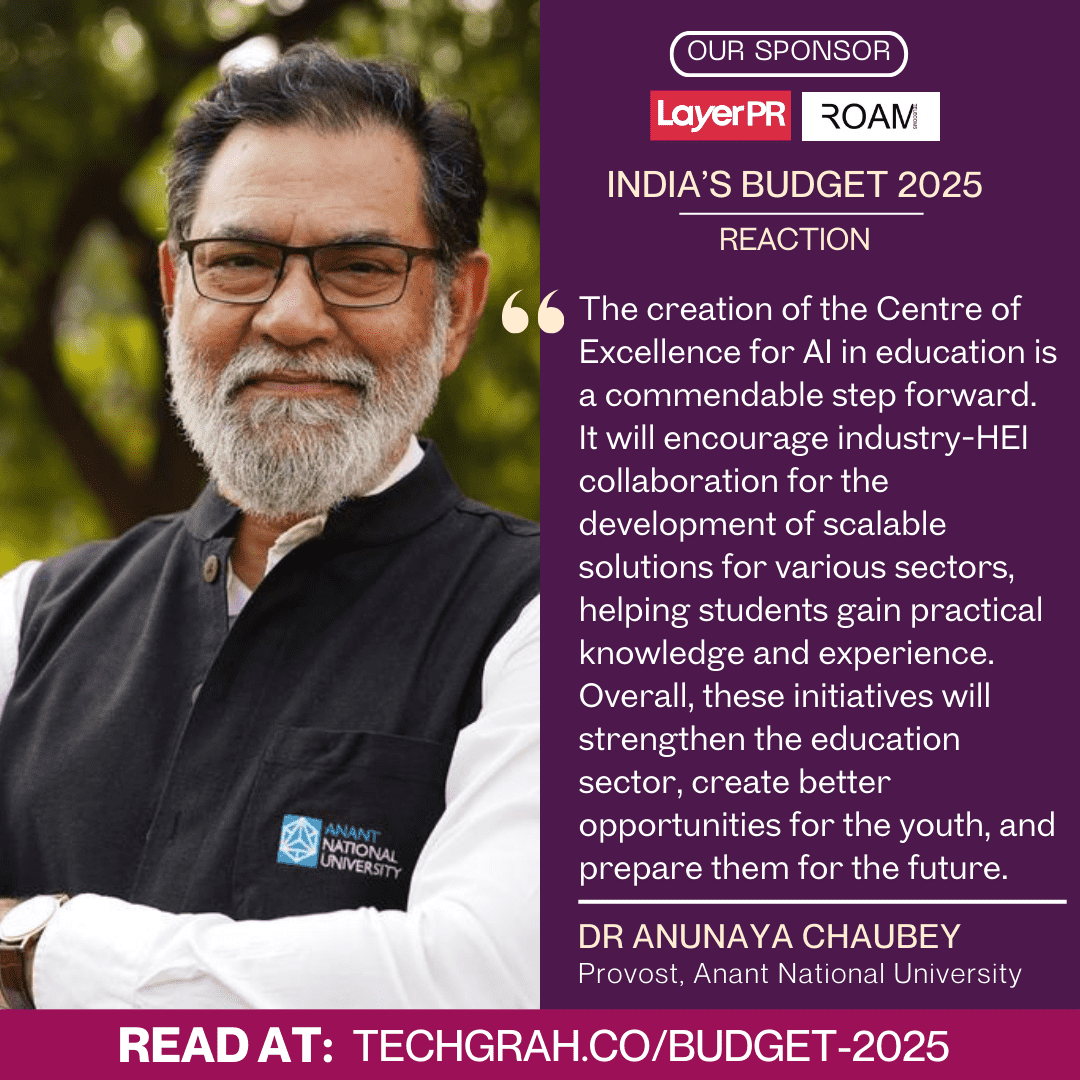
The Union Budget 2025, presented by Finance Minister Nirmala Sitharaman, introduces significant initiatives for the education sector. Establishing 5 National Centres of Excellence for Skilling will empower the youth with industry-relevant skills, preparing them for global opportunities. Adding broadband connectivity in all government secondary schools will bridge the digital divide and enhance learning outcomes.
The creation of the Centre of Excellence for AI in education is a commendable step forward. It will encourage industry-HEI collaboration for the development of scalable solutions for various sectors, helping students gain practical knowledge and experience. Overall, these initiatives will strengthen the education sector, create better opportunities for the youth, and prepare them for the future.
Nitin Godawat, Director, CREST Olympiads

This budget marks a pivotal shift, with the Government increasing tax slabs to stimulate consumption. However, as this move reduces the number of taxable individuals, introducing a nominal tax on agricultural income exceeding ₹50 lakhs could have been a prudent step toward expanding the tax base.
The expansion of Atal Tinkering Labs, the establishment of a Centre of Excellence for Artificial Intelligence, and the creation of five National Centres of Excellence for Skilling are commendable initiatives in the education sector. These measures will play a crucial role in fostering innovation, enhancing digital capabilities, and equipping the workforce with future-ready skills.
Rajeev Tiwari, Co-Founder, STEMROBO Technologies

The announcements made in the Union Budget 2025 highlight a forward-thinking vision for India’s growth, with a strong emphasis on digital infrastructure, skill development, and innovation. The decision to expand broadband connectivity to all government secondary schools is a game-changer. It will not only bridge the digital divide but also ensure that students across the country have access to the same learning opportunities, regardless of their location.
The establishment of 50,000 Atal Tinkering Labs over the next five years is a great move for encouraging creativity and innovation among our youth. These labs will provide hands-on learning and inspire the next generation of engineers, scientists, and innovators. Such initiatives will also increase awareness and understanding of the importance of 21st-century skills, helping schools and students recognize their critical role in future-ready education.
The launch of the Bharatiya Bhasha Pustak Scheme, which will bring digital books in Indian languages, is another crucial step towards making education more accessible to people in rural and remote areas, while also preserving our rich linguistic diversity. This will further encourage students to embrace modern learning tools while staying connected to their cultural roots.
The ₹500 crore investment in AI research and development for setting up five Centers of Excellence for Skilling with global expertise will ensure that our workforce is prepared for the future, ready to meet the demands of the global market. This will underscore India’s commitment to becoming a global leader in technology, These measures will strengthen the adoption of 21st-century skills in schools and encourage students to develop competencies such as critical thinking, problem-solving, and digital literacy.
Another crucial step is the enhanced credit coverage support for MSMEs and startups. This initiative will go a long way in fostering innovative startups and entrepreneurs, enabling them to become an integral part of the education ecosystem. With increased financial support, startups focusing on educational technology, AI tools for learning, and skill development programs will have greater opportunities to create impactful solutions that enhance education quality and accessibility.
Overall, these initiatives will not only drive growth but also position India as a key player in the global economy, equipping its younger generations with the tools needed to thrive in an increasingly technology-driven world while fostering innovation within the education sector.