


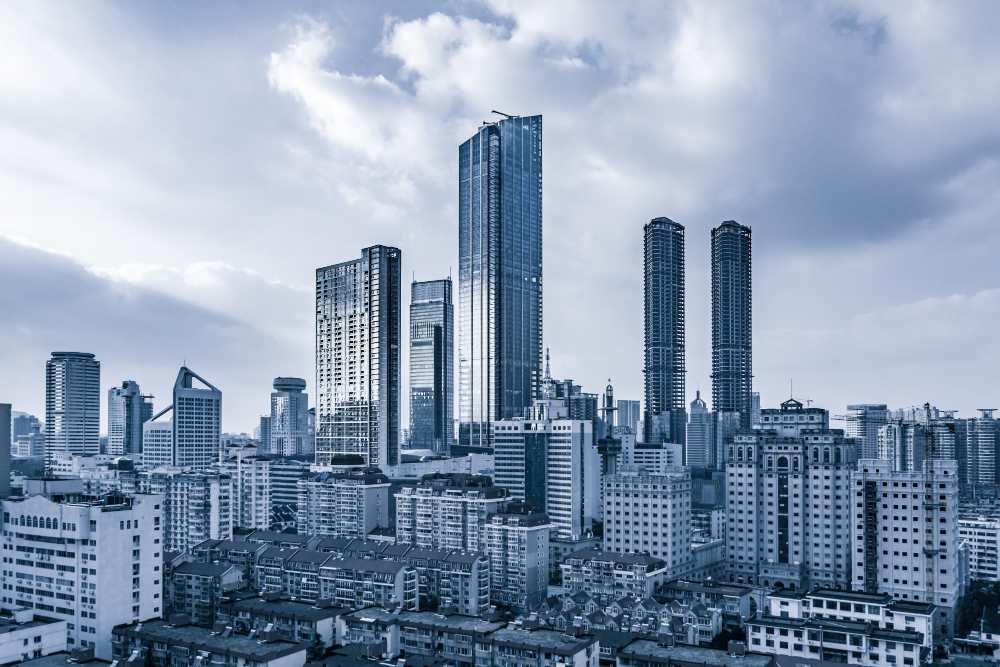
In the contemporary world, where the balance between innovation and sustainability is paramount, modernizing buildings with advanced technology while ensuring they remain eco-friendly is crucial. Many buildings, both residential and commercial, are being redesigned and upgraded to meet these dual goals. This approach not only improves energy efficiency but also results in cost savings and environmental benefits.
Building owners are increasingly aware of the importance of incorporating technology that supports environmental sustainability. By upgrading with eco-friendly tech solutions, one enhances not only the building’s functionality but also its value. The fusion of these elements into building design is both an art and a science, aiming to deliver superior living and working conditions.

Ultimately, creating a space that is both technologically advanced and ecologically responsible is no longer merely an option but a necessity. As awareness and regulations surrounding environmental impact intensify, building solutions must evolve accordingly. The following sections will explore several key areas where technology and eco-friendliness converge in building design.
Energy Efficiency and Window Technology
Windows are one of the most significant factors in a building’s energy efficiency. Remarkably, heat retention and escape through windows can account for 25% to 30% of the energy used to heat and cool a residential building. Employing advanced window technologies such as double glazing and smart glass can drastically reduce this energy consumption.
Smart glass, for example, adapts to environmental lighting, reducing reliance on artificial lighting and helping to maintain internal temperatures. These innovations not only lower energy bills but also contribute to reducing a building’s overall carbon footprint. With technology facilitating such enhancements, buildings can become significantly more eco-friendly.
An investment in energy-efficient windows can pay off significantly over time, reflecting savings on utility bills. As technology continues to evolve, so does the opportunity to make buildings more sustainable without sacrificing modern appeal. Residents and businesses alike benefit from these advancements, which increase comfort while reducing energy demands.
Sealing Solutions for Modern Buildings
Another critical aspect of eco-friendly and technologically advanced building design is effective sealing. According to Tech Briefs, hermetic electrical feedthroughs can seal anywhere from a single wire to over 500 wires simultaneously in one seal. This capability is vital in maintaining the integrity of electrical systems within buildings, preventing heat loss, and consequently conserving energy.
Such sealing solutions not only protect electrical components from moisture and contamination but also enhance the building’s thermal efficiency. By mitigating forms of air leakage, these technologies support stable indoor temperatures and reduce HVAC loads, contributing to overall energy savings. This balance of tech and ecology ensures that building systems are both secure and efficient.
Incorporating advanced sealing techniques is therefore a prudent step in the journey toward creating modern, eco-friendly buildings. These seals reduce maintenance needs and prolong system longevity, providing both immediate and long-term cost benefits. Through integrating such tech solutions, buildings become bastions of innovation and efficiency.
Pressure Management in Building Systems
Understanding pressure dynamics within building mechanisms is essential in achieving a balance between technology and eco-friendliness. LinkedIn highlights that “design pressure” is a crucial parameter in engineering, referring to stress exerted by internal or external pressures on equipment – excess pressure usually ranges from 10% to 25% – and includes allowances for extreme conditions. Buildings designed to manage pressure adeptly ensure safety while optimizing energy use.
Pressure management systems minimize energy loss by maintaining optimal conditions for various building operations. Such systems enhance the efficiency of HVAC and plumbing setups, which are integral to residential comfort and commercial productivity. Just as technology improves other areas of building operations, effective pressure management is a tech-driven approach to sustainability.
Ultimately, by focusing on pressure dynamics, we allow technology to elevate building performance while adhering to environmental concerns. Incorporating advanced pressure management systems reduces the risk of system failures and maximizes energy efficiency. Ensuring that these systems are tech-savvy and eco-conscious represents one more way that tech is changing our built environments for the better.