


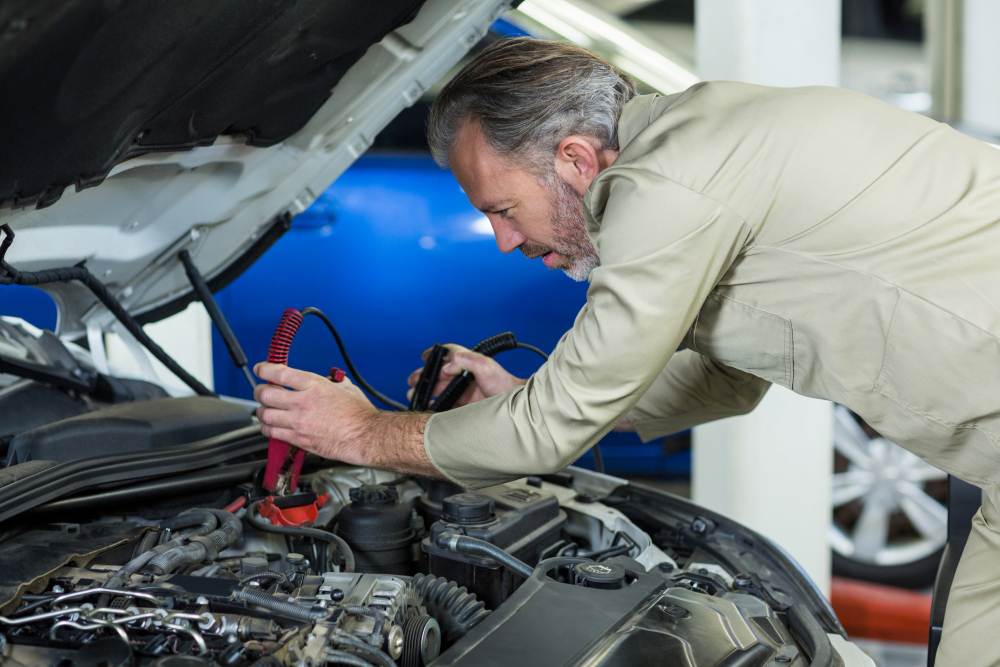
Keeping your vehicle in top condition requires more than just regular washing or occasional oil changes. Cars are complex machines with multiple systems that must work together seamlessly. Over time, wear and tear on specific components, combined with overlooked maintenance, can lead to performance issues and costly repairs. By understanding the most common car problems and how to address them early, drivers can save money, improve safety, and extend the life of their vehicles.
Common Causes of Car Vibrations
Car vibrations can be more than just an annoying quiver while driving—they may signal underlying mechanical problems. One of the main causes of these vibrations is faulty drivetrain components. According to CarsDirect, three of the most frequent culprits behind vehicle shaking are universal joints (U-Joints), couplers, and carrier bearings.

These parts connect and transfer power from the engine to the wheels, so any wear or damage can disrupt smooth motion. Drivers may notice vibrations during acceleration, while turning, or at high speeds, indicating it’s time for an inspection. Regular check-ups and prompt replacement of worn components can help prevent minor issues from turning into major, expensive repairs.
Major Categories of Auto Repairs
Understanding the types of issues that commonly require attention can help car owners anticipate maintenance needs. Consumer Affairs identifies four primary categories of repairs that drivers often face: electrical system malfunctions, cooling system failures, engine and transmission problems, and fuel-related issues. Each of these areas plays a crucial role in vehicle performance, and neglecting them can result in unexpected breakdowns. Many problems, such as battery issues or radiator leaks, start small but can lead to significant repair bills if left unaddressed. Routine maintenance, like checking fluid levels, inspecting wiring, and monitoring engine performance, can reduce the likelihood of encountering these common problems and improve the overall reliability of your vehicle.
The Scale of the Auto Repair Market
The automotive repair industry in the United States is a substantial sector, reflecting the frequency and cost of car maintenance. As of 2023, Gitnux reports that the U.S. general automotive repair market is valued at approximately $58.6 billion. This figure underscores the significant resources drivers and businesses invest in keeping vehicles operational. The size of the market also reflects how common car issues are across the country, which means even small maintenance oversights can become widespread problems. Awareness of the industry’s scale can motivate vehicle owners to take preventive measures, as addressing issues early often costs far less than major repairs and keeps your car running safely and efficiently.
Preventive Measures for Vehicle Longevity
Preventing car problems is always better than fixing them after they occur. Regular inspections of critical components like the drivetrain, electrical systems, and cooling mechanisms can catch issues early. Maintaining proper fluid levels, monitoring tire and brake conditions, and addressing warning signals promptly are all essential steps. Using quality parts for replacements and scheduling professional tune-ups at recommended intervals can further extend the life of your vehicle.
Additionally, keeping a maintenance log helps track past repairs and anticipate future needs. By adopting these preventive strategies, drivers can enjoy smoother rides, reduce repair costs, and improve overall vehicle safety.
Understanding common car problems and the categories of repairs that vehicles typically need is crucial for every driver. From worn universal joints and carrier bearings to electrical and engine issues, early detection and preventive maintenance can save both time and money. Investing in proper care and vigilance is a smart decision for any car owner. By staying informed and proactive, drivers can keep their vehicles running reliably, avoid unexpected breakdowns, and ensure a safer driving experience for themselves and their passengers. Prioritizing regular inspections and maintenance ultimately leads to longer-lasting vehicles and greater peace of mind on the road.