


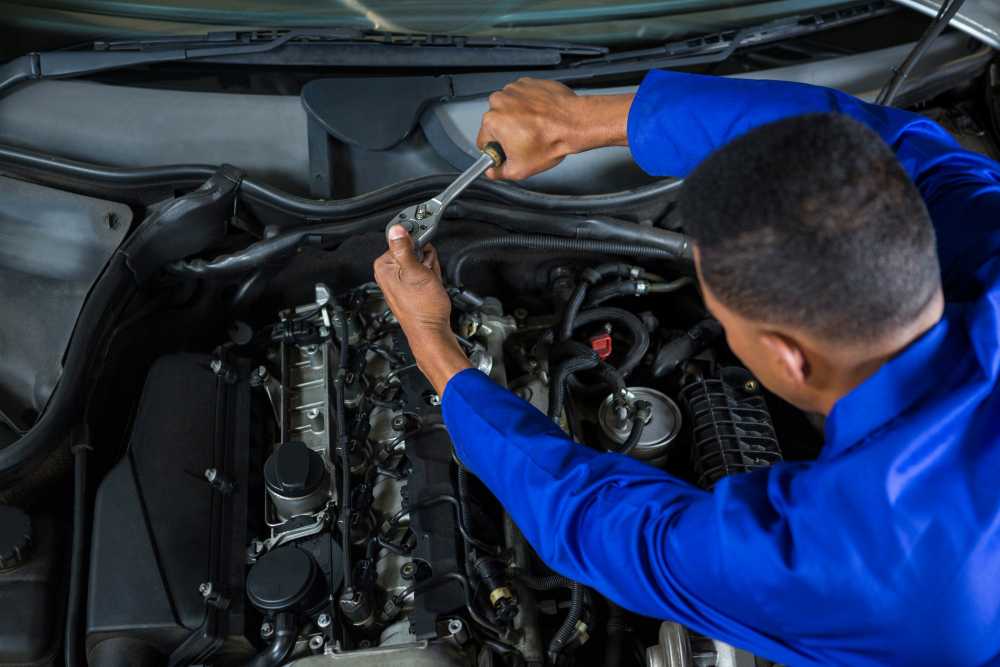
Extending the lifespan of your vehicle is not only cost-effective but also beneficial for the environment. Proper auto maintenance can significantly contribute to how long your vehicle lasts. Many car owners underestimate the impact of routine care, but even small, consistent efforts can prevent major repairs down the line. With rising repair costs and the value of older vehicles, understanding how to preserve your car’s performance has never been more important. In this article, we will explore different strategies to enhance your vehicle’s longevity, backed by relevant data and expert advice.
Regular Maintenance Checks for Your Vehicle
Routine maintenance is crucial in prolonging the life of your vehicle. Regular oil changes, tire rotations, and brake inspections can prevent minor issues from escalating into major, costly damage. These preventative measures ensure that your vehicle’s core systems function optimally. Ignoring these routine tasks can lead to compounded problems that significantly reduce your car’s reliability over time.

A wise maintenance routine includes periodic inspections of your vehicle’s auto glass. According to insights from Glass.com, with appropriate care, auto glass panels can endure for a decade or more. Such longevity helps prevent frequent replacements and contributes to the overall durability of your vehicle. Even small chips or cracks should be addressed promptly to maintain safety and prevent further deterioration.
Conducting scheduled check-ups allows for the early detection of potential problems. Automotive experts recommend setting reminders for each maintenance task to ensure they are performed on time. This proactive approach to your vehicle’s care can extend its serviceability far beyond the average expectations. Tracking maintenance history can also help mechanics identify recurring issues before they become serious.
The Role of Timely Repairs and Replacements
Addressing repairs promptly is another essential factor in extending vehicle lifespan. An overlooked minor fault can quickly intensify, leading to more extensive and expensive repairs. Timely intervention not only saves money but also promotes road safety. Regularly monitoring your vehicle for unusual noises or warning lights can prevent minor faults from becoming major repairs.
Understanding the team’s warning signals requires attention. For example, addressing transmission issues immediately is prudent, given that nearly 13% of vehicles face transmission failure within the first 100,000 miles, according to research from Articles Factory. Regular checks and rapid maintenance can help defy these odds. Ignoring early transmission problems can result in complete failure, which is far more costly and disruptive.
Routine replacements of parts subjected to wear and tear, such as belts and filters, are also necessary. Ensuring these components function effectively can prevent breakdowns and increase the vehicle’s operational timeframe. Properly maintaining these parts aligns with best practices for automotive care. Replacing worn components on schedule also optimizes fuel efficiency and overall vehicle performance.
Adjusting Driving Habits to Enhance Longevity
Your driving behavior greatly influences your vehicle’s lifespan. Aggressive driving, frequent stop-and-go traffic, and unnecessary idling can exponentially increase wear and tear. Adopting smoother driving techniques reduces strain on the vehicle’s engine and transmission. Practicing defensive driving not only protects your car but also enhances safety for everyone on the road.
Furthermore, statistics from Car Insurance highlight that vehicles older than ten years have a doubled risk of encountering breakdowns on the road. To combat this, maintaining smooth acceleration and utilizing cruise control on highways can mitigate stress on older vehicles, ultimately curtailing premature breakdowns. Consistently avoiding hard braking and rapid acceleration can prolong both engine and transmission life.
Environmental conditions also play a role in vehicle longevity. Protecting your vehicle from harsh climates by using covered parking or garage storage can prevent weather-related damage. Consistent care extends your vehicle’s viable operational period, offering you a reliable mode of transportation for years to come. Simple practices, such as washing your car regularly and applying protective coatings, can shield it from rust and paint deterioration.
By adhering to these maintenance practices and remaining vigilant of your driving habits, you can significantly prolong your vehicle’s lifespan. Regular maintenance, timely repairs, and cautious driving are keys to a longer-lasting auto. Beyond cost savings, extending your vehicle’s service life ensures reliability and peace of mind on the road. Additionally, careful upkeep contributes to sustainability by reducing the frequency of vehicle replacements and minimizing environmental impact. Taking a proactive approach today sets the foundation for a safer, more dependable driving experience for years to come.